
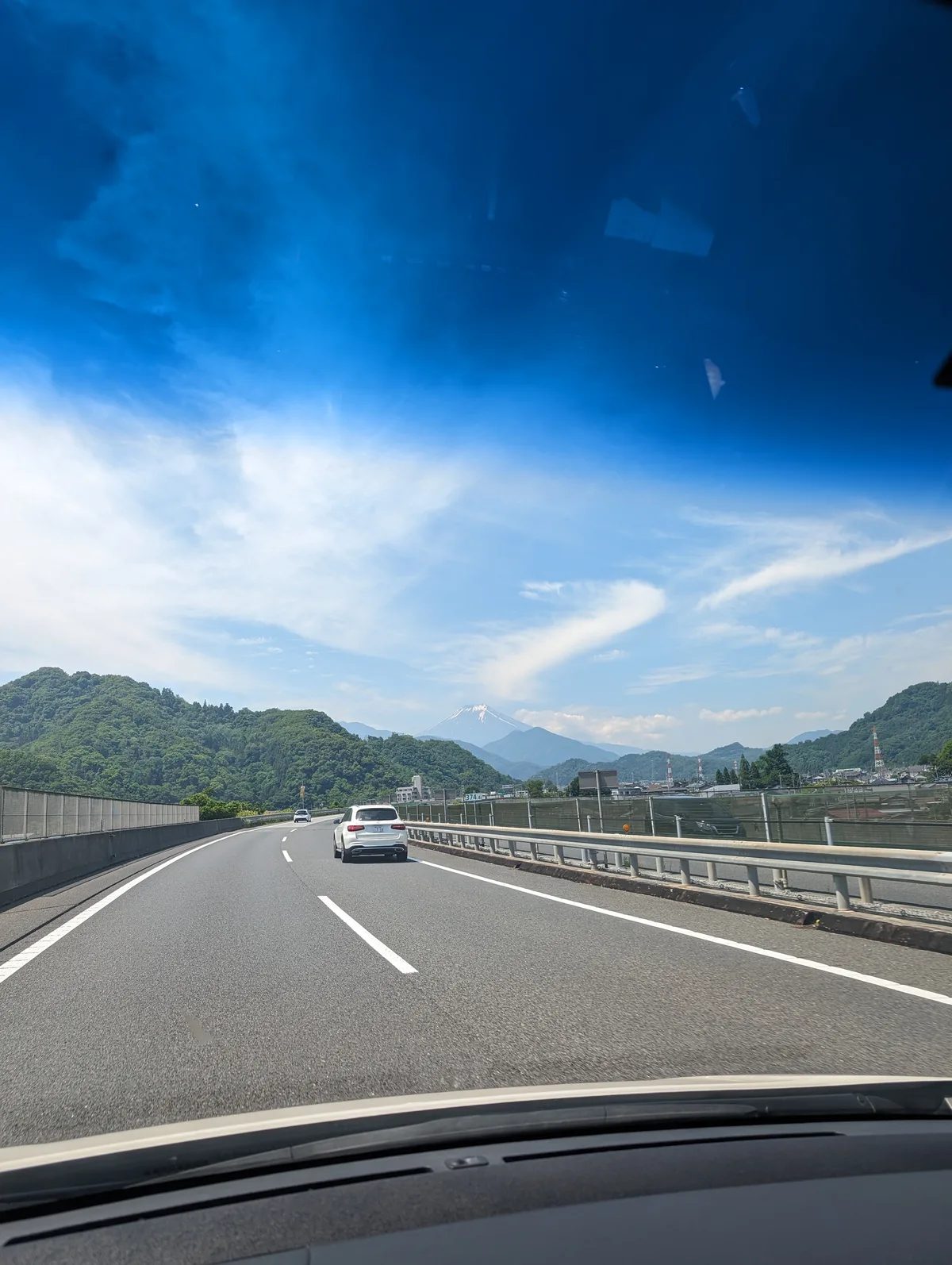
Day five. Yesterday was the Shinkansen from Osaka to Tokyo and Shibuya. Today I found out what was on the itinerary about five minutes into the drive: Mount Fuji.
Our driver CJ picked us up from the hotel in Shibuya. Heading west out of Tokyo, Japan on the expressway, the traffic was already thick. It was a Saturday, which means everyone in Tokyo had the same idea about a day trip to the Fuji area.
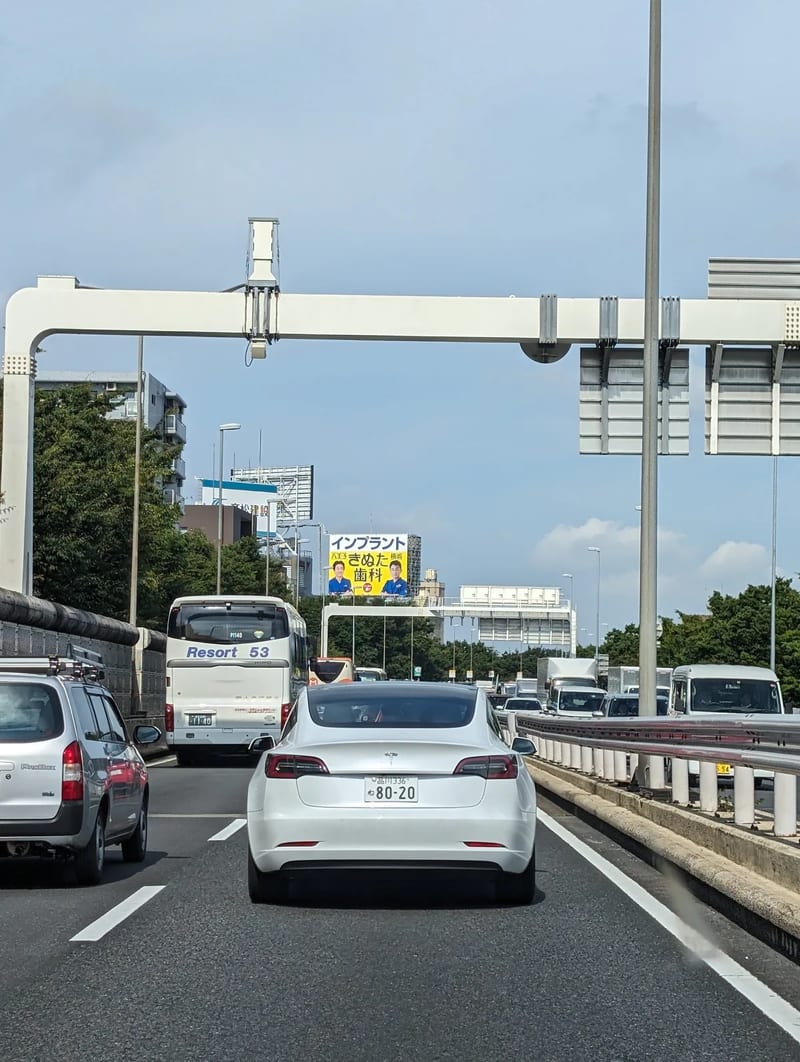
Approaching Mount Fuji
The thing about Mount Fuji is that you see it long before you arrive. Coming down the expressway toward Yamanashi Prefecture, Japan, it just appears on the horizon: unmistakable, perfectly symmetrical, bigger than the surrounding landscape in a way that doesn’t feel real at first.
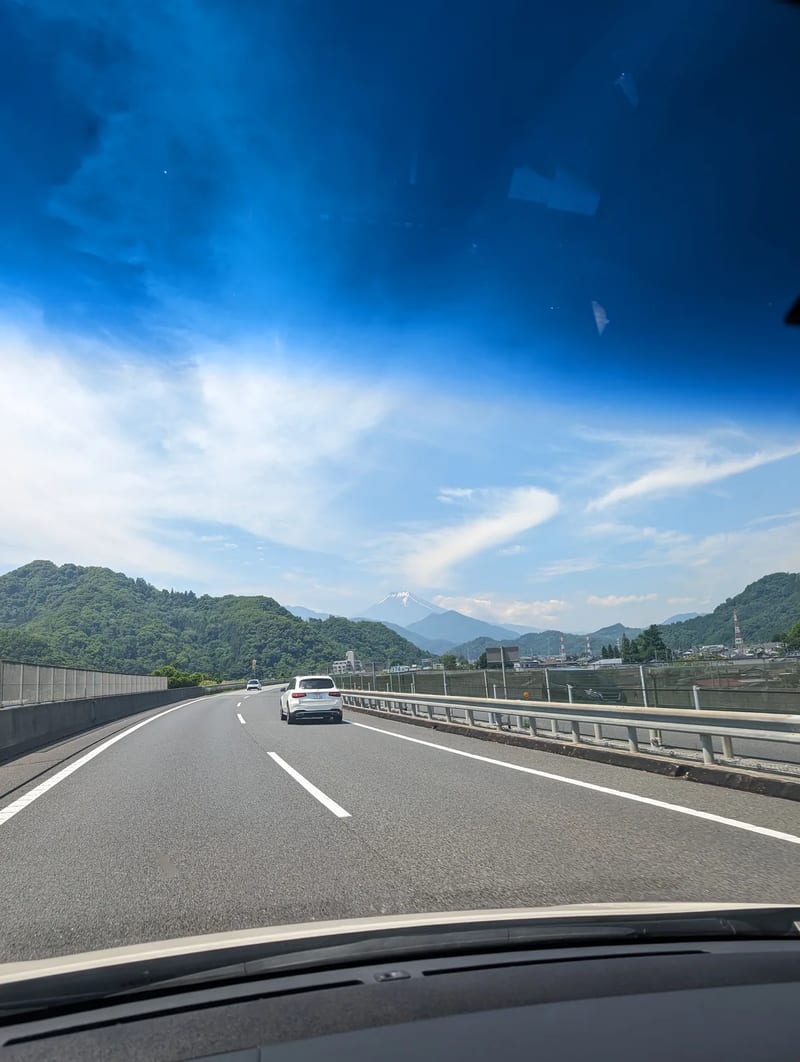
We stopped at ExPasa Yoshida, a highway rest area on the way in. Japan’s rest areas are legitimately good. This one had a Starbucks, multiple restaurants, and clean restrooms. It’s a major hub for people heading into the Fuji Five Lakes area on weekends, and the parking lot showed it.
Grabbed coffee. Knee was still swollen from Nara two days prior. Took some ibuprofen and kept moving.
The approach to the toll road is one of the better views of Fuji: pine trees lining both sides of the road, the mountain dead ahead. I was shooting out the window the whole time. The DJI Osmo Pocket 3 is exactly the right camera for this kind of shooting: small enough to hold up to the window without blocking the view, stabilized enough to get clean shots from a moving vehicle.
Chureito Pagoda, Arakurayama Sengen Park
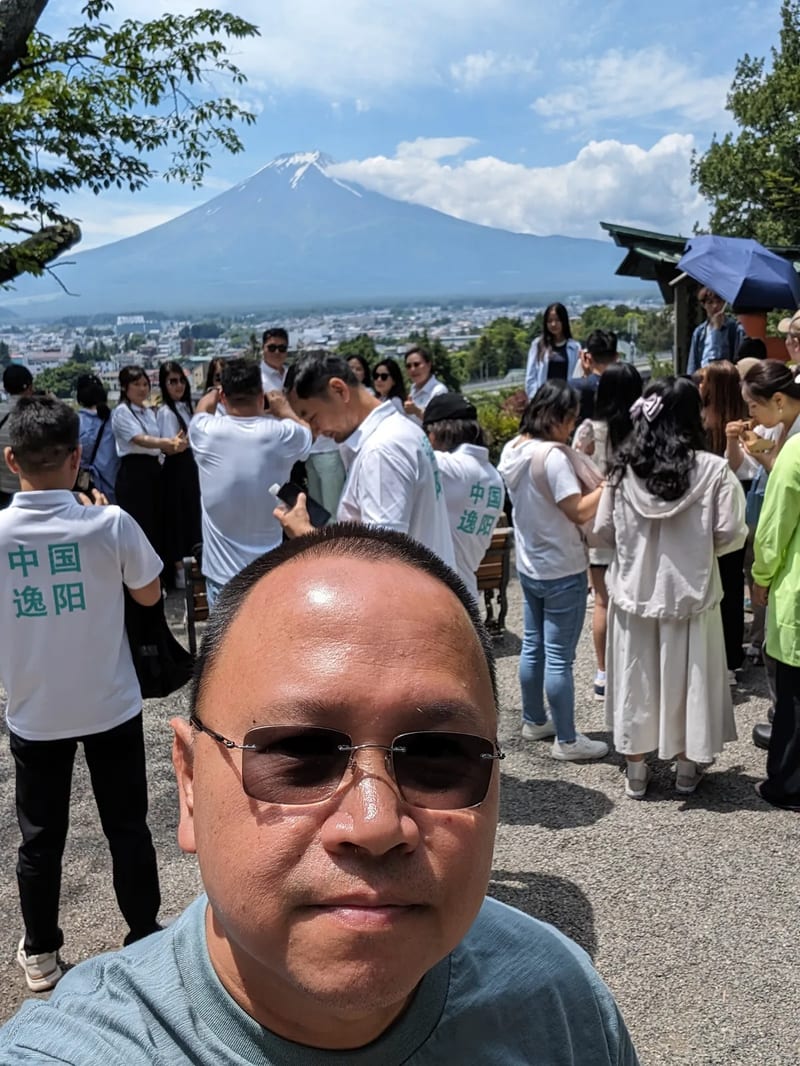
Chureito Pagoda sits above Fujiyoshida, Yamanashi, Japan. Getting there means climbing a long staircase through the torii gate approach of Arakurayama Sengen Park. The knee was not happy about the steps, but you don’t come this far and skip the climb.
At the top, Mount Fuji came into full view, framed by maple trees, snow still on the peak, town visible in the valley below. This is one of the most photographed views in Japan and it earns it.
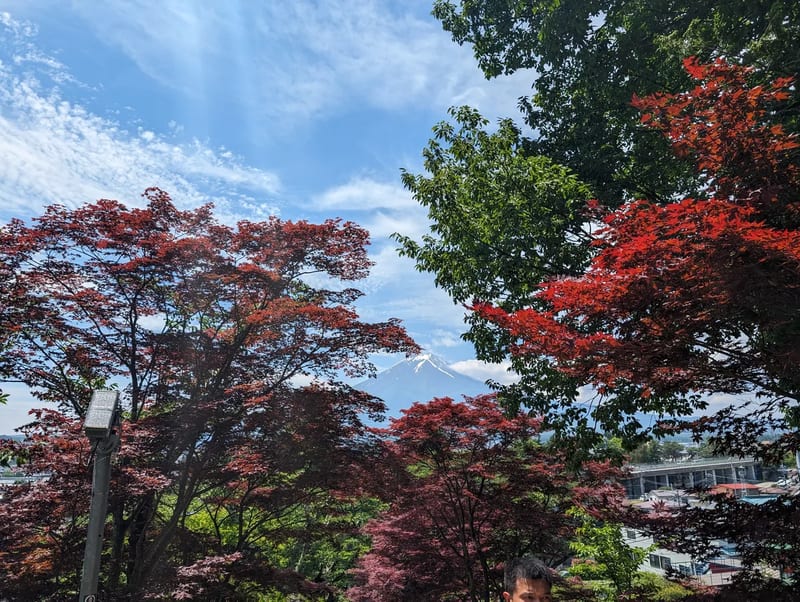
We took as many family photos as the people around us would tolerate.
Lake Kawaguchiko
Lake Kawaguchi-ko is one of the Fuji Five Lakes in Fujikawaguchiko, Yamanashi, Japan, a short drive from the pagoda. Mount Fuji towers over the lake on a clear day, but clouds had moved in on the lake side by the time we arrived. We still got the views we needed at the pagoda, so no complaints.
The lakefront area had local produce stands: strawberries, peaches, grapes. Very Japanese in that way where there’s always something fresh to eat within arm’s reach of wherever you are.
Apple Pay in Japan (A Sidebar)
Standing at the lake, I want to talk about something I’ve been using all trip: Apple Pay contactless payments.
Japan is one of the best places in the world to use contactless payments. If a terminal has the NFC/contactless logo (the three curved lines that look like a Wi-Fi symbol turned sideways), you can tap to pay. Apple Watch works for this even when your phone isn’t connected to the network, which I didn’t fully understand until this trip. The watch synchronizes when it reconnects to your phone, but the tap itself goes through. Whether it’s borrowing signal from nearby iPhones or storing something locally, I’m not sure, but it works consistently.
The other thing: Apple does not charge any fees when you pay with Apple Pay, though your bank may charge fees for overseas usage, so worth confirming with them. Neither does the Chase Sapphire Preferred® / Reserve®, which has no foreign transaction fees on any purchase. If you’re heading to Japan and still using a card that charges 3% on every swipe, you’re leaving money on the table.
Fuji Sengen-Jinja Shrine
We drove past the Kitaguchi Hongu Fuji Sengen-Jinja Shrine in Fujiyoshida, Yamanashi, Japan, and pulled over. It wasn’t on the itinerary. It just looked good from the road, so we parked and crossed the street.
It turned out to be one of the best stops of the day.
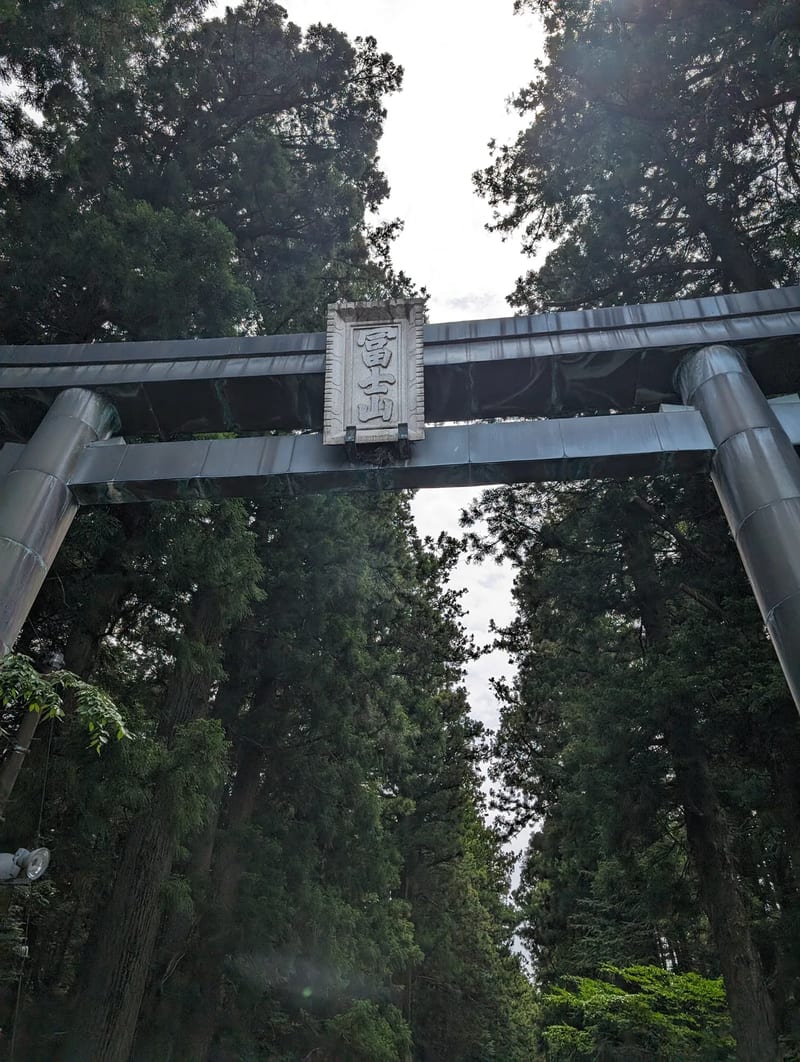
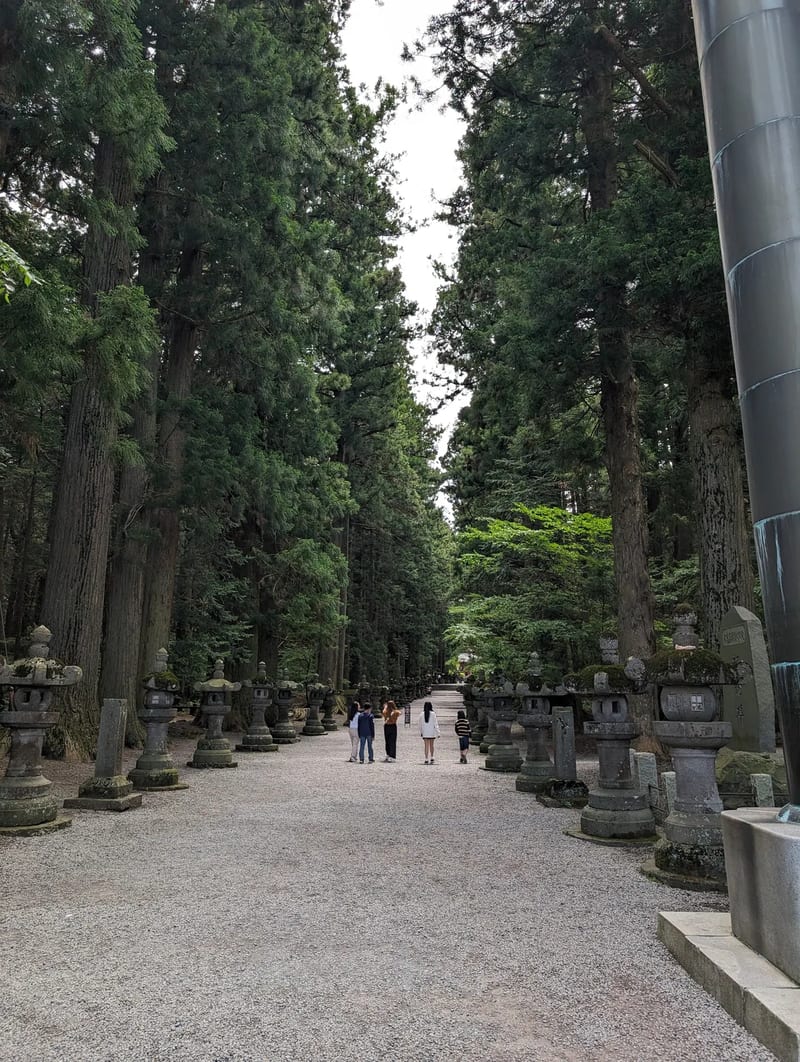
The grounds are enormous: old-growth cedar trees, stone lanterns lining a long path, and a stream running through the property. The smell alone was worth stopping for.
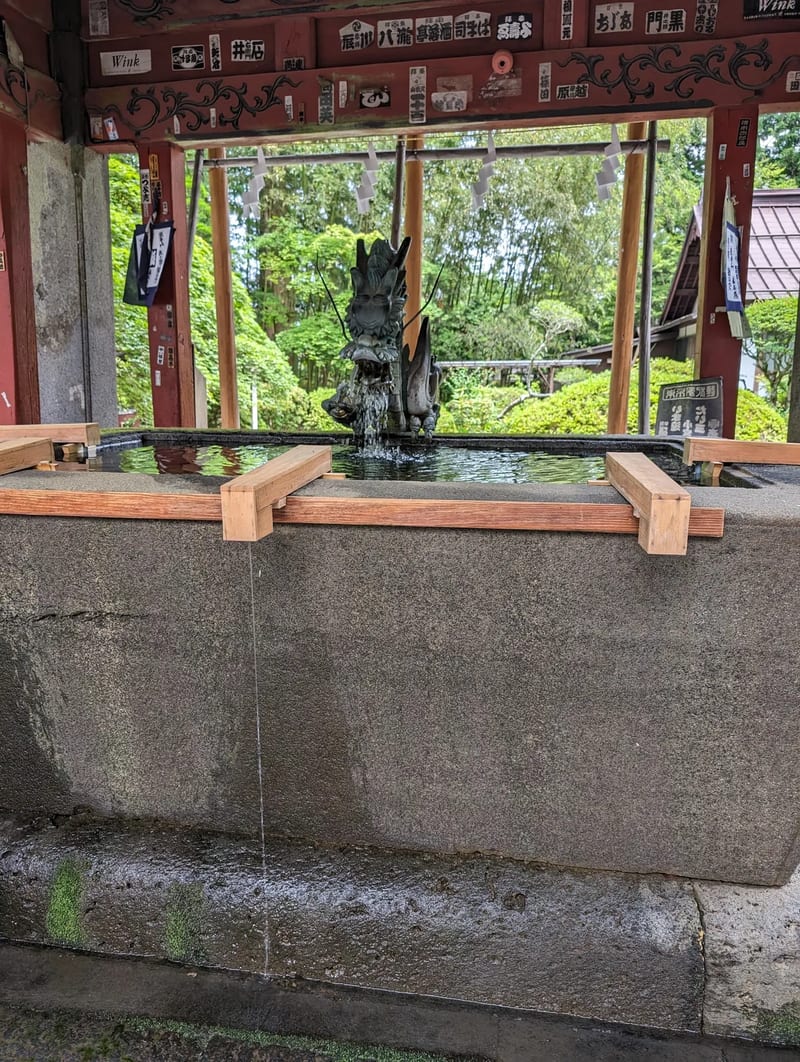
There’s a temizuya (a ritual water basin) with a dragon spout carved in bronze. These are standard at Shinto shrines, used for purification before entering the main hall.
The centerpiece of the grounds is a massive sacred tree, an enormous cedar that’s hundreds of years old, wrapped in the shimenawa rope that marks sacred objects in Shinto tradition. You stop and look at it for a minute.
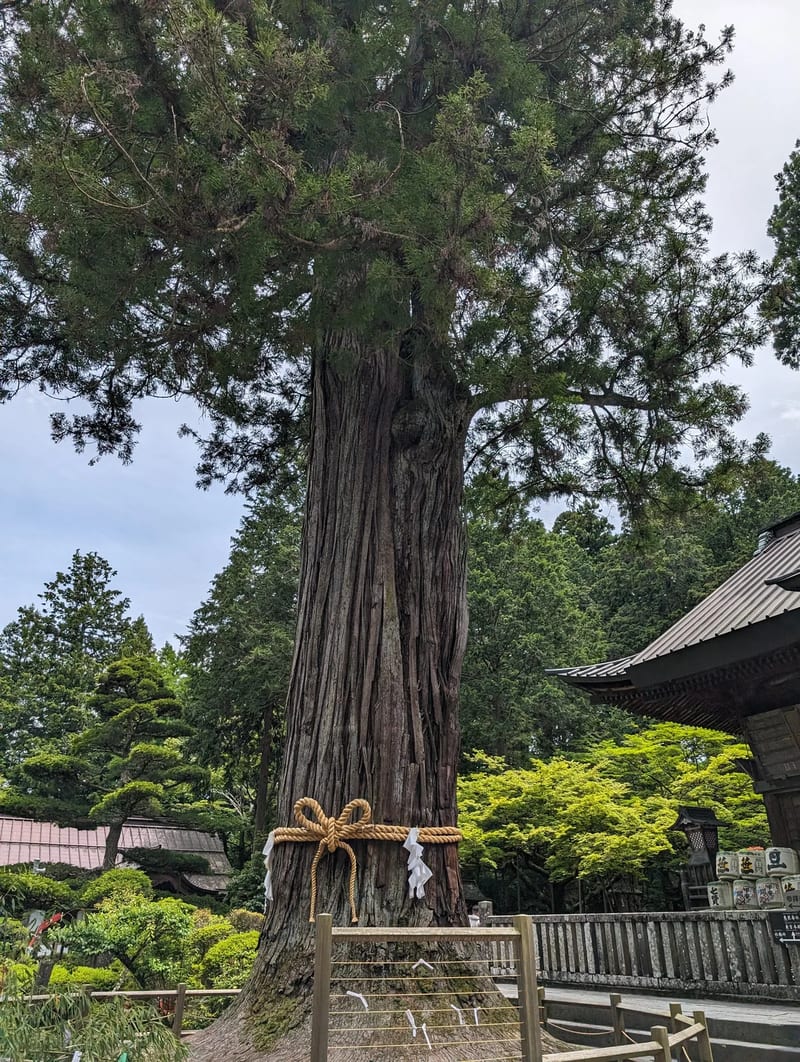
One note: commercial photography is not permitted on the grounds. I’m not a commercial photographer, so I was fine, but worth knowing if you’re here for professional work.
Thrift Store Stop #1
After the shrine, we stopped at a local recycle/thrift shop. I was hoping for cameras, specifically Sony cameras, which occasionally show up in Japanese thrift stores in excellent condition. No luck on cameras, but the parking lot was more interesting than the inventory.
A Mitsubishi Delica was sitting right there. Not a converted camping unit, just a clean, stock Delica. These aren’t sold in the US and the styling is completely different from anything in American parking lots. Japan also has a category of small flatbed trucks (kei trucks) that would be genuinely useful for hauling things. We’ve got full-size trucks that cost $70,000 and these small, practical flatbeds just don’t exist in the American market.
Our car that day was a Honda Step WGN, a similar footprint to the Toyota Voxy from the day before. Sliding rear doors that open outward like a refrigerator on some configurations. It’s a more practical family car than most of what gets sold in the US.
Lunch: Katsuya
Stopped at Katsuya for lunch. Google gave it 3.9 stars, which made me skeptical. I had the tempura and katsu combo: shrimp and chicken, salad, house dressing.
It was genuinely good. The salad dressing alone was worth more than 3.9 stars. Sometimes you just have to ignore the algorithm.
Second Street: The Sneaker and Luxury Resale Store
Second Street is a Japanese chain that does resale: clothing, shoes, electronics, bags. The condition is better than “thrift store” suggests, and the pricing reflects it.
The sneaker section was interesting. Jordans I recognized: Fives, Fours, ones, some Sixes. Colorways I didn’t recognize because limited-edition releases have gotten out of hand over the past decade. I used to collect shoes in the ’90s. I’m not in that world anymore, but the selection here was real.
Pricing was 12,000 to 34,000 yen depending on the shoe. Divide by roughly 157 to get to dollars (that was the exchange rate at the time of this trip). The Louis Vuitton and Gucci bags were behind a locked case. The Coach bags were just out on the floor. Abby looked into the LV situation.
Gotemba Premium Outlets
We swung through Gotemba Premium Outlets on the way back. Outlet malls are outlet malls everywhere: same brands, same layout, whether you’re in California or the base of Mount Fuji, Japan. I spotted a Callaway golf store and thought about it for about 30 seconds, then didn’t go in.
I was a passenger today. Sometimes you just ride.
Cars Spotted
This is where the day got interesting for me.
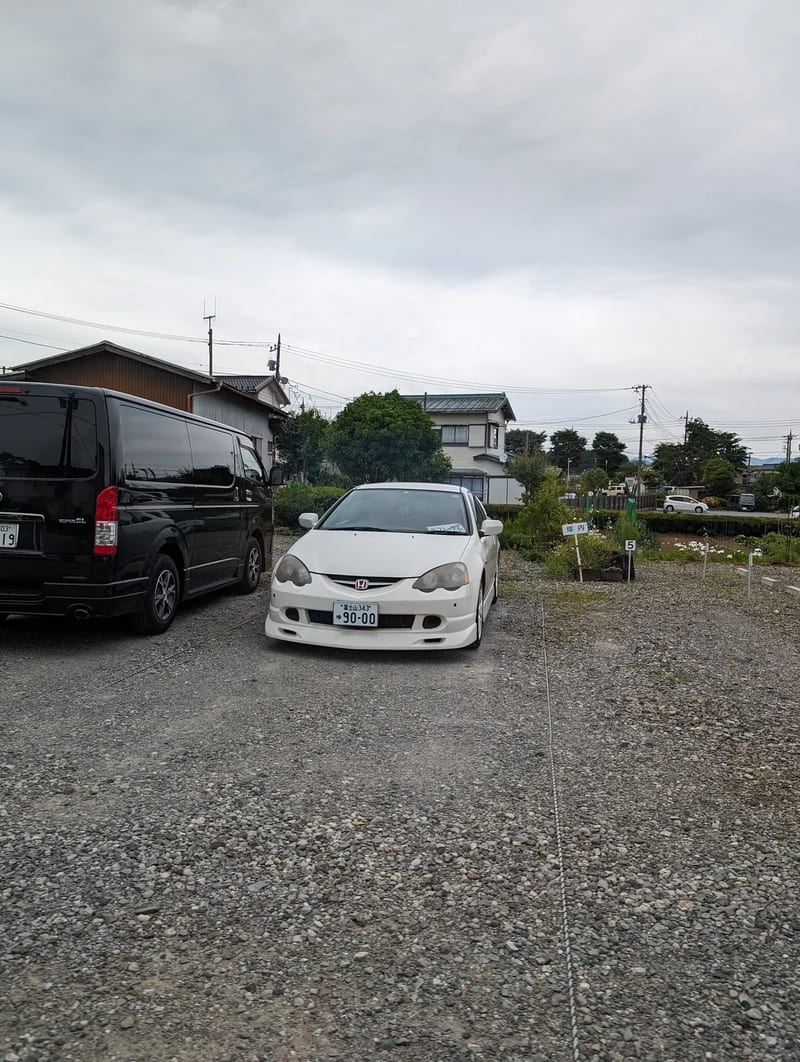
The Honda Integra Type R. Not sold in the US. Saw it parked and had to stop. The DC5-era Integra Type R is one of those cars that enthusiasts have wanted stateside for years and never got.
The Suzuki Spacia Gear is a kei car, Japan’s sub-660cc, sub-3.4-meter vehicle class. The styling on the Spacia Gear is adventure-oriented in a way that none of the Suzukis available in the US approach. These small utility-styled kei cars have a following, and looking at them in person you understand why.
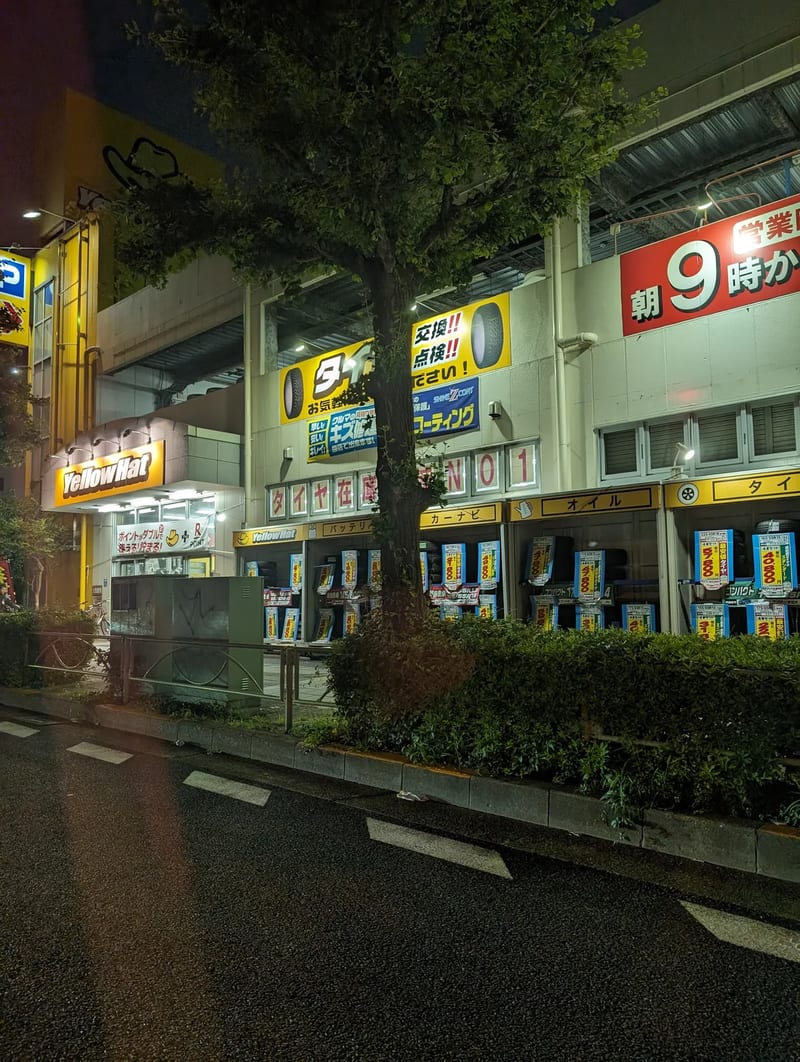
And we drove past a Yellow Hat at night, Japan’s equivalent of a big-box auto parts store. I wanted to stop. We did not stop.
CJ and the JDM Connection
One more thing worth sharing: CJ, our driver today, also exports Japanese vehicles, primarily to the Philippines, but he’s looking to expand to the US market. The vehicles he can source include:
- Nissan S15 Silvia
- Honda S2000
- Nissan Skyline (primarily R34, some R33 and R32)
- Mercedes G-Wagen AMG (though those are easier to find stateside)
He handles the Japan side: sourcing, export paperwork, preparation. You handle import clearance on your end. He can do right-hand drive or facilitate left-hand drive conversions. He’s done a solid number of transactions in the Philippines, including some high-profile S15 and S2000 deals.
I’m passing this along because I like connecting people. There’s no compensation involved. I met him today. If you’re curious, his contact info is in the video description. Do your own due diligence as you would with any vehicle import.
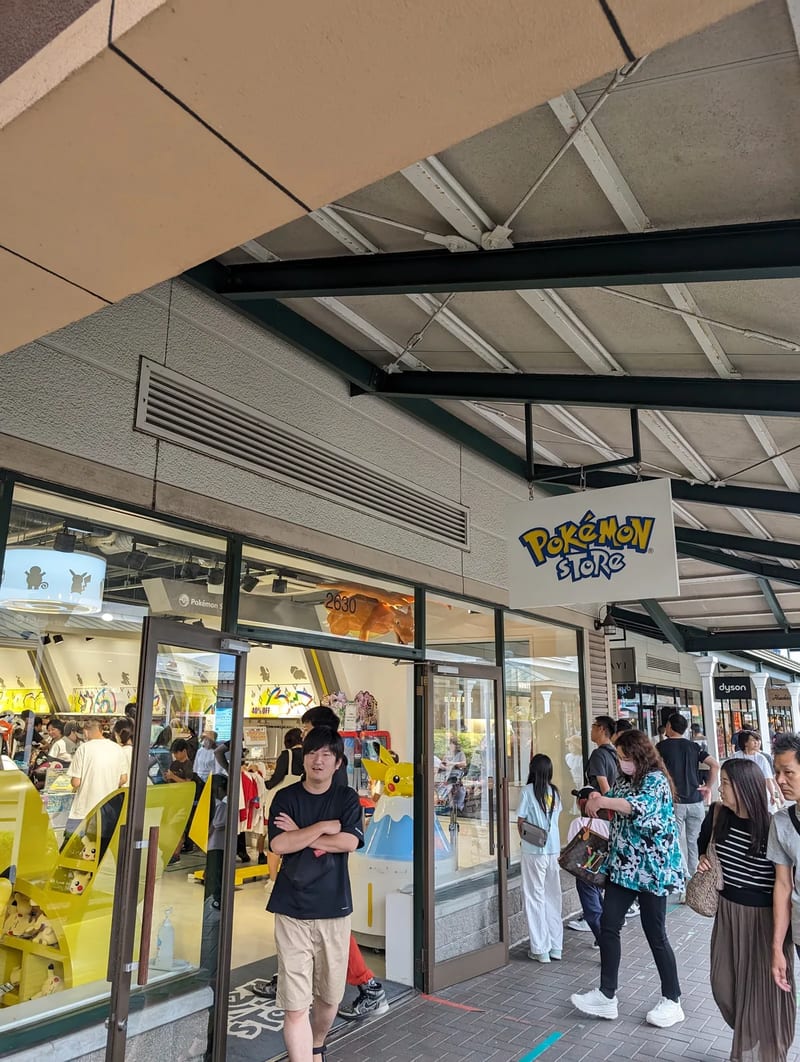
Also: the Pokémon store.
Dinner: Omurice
Long day. Ended it with omurice, a Japanese dish of fried rice wrapped in a thin egg omelette, typically with ketchup or demi-glace on top. This one came with a ketchup heart on it, because Japan.
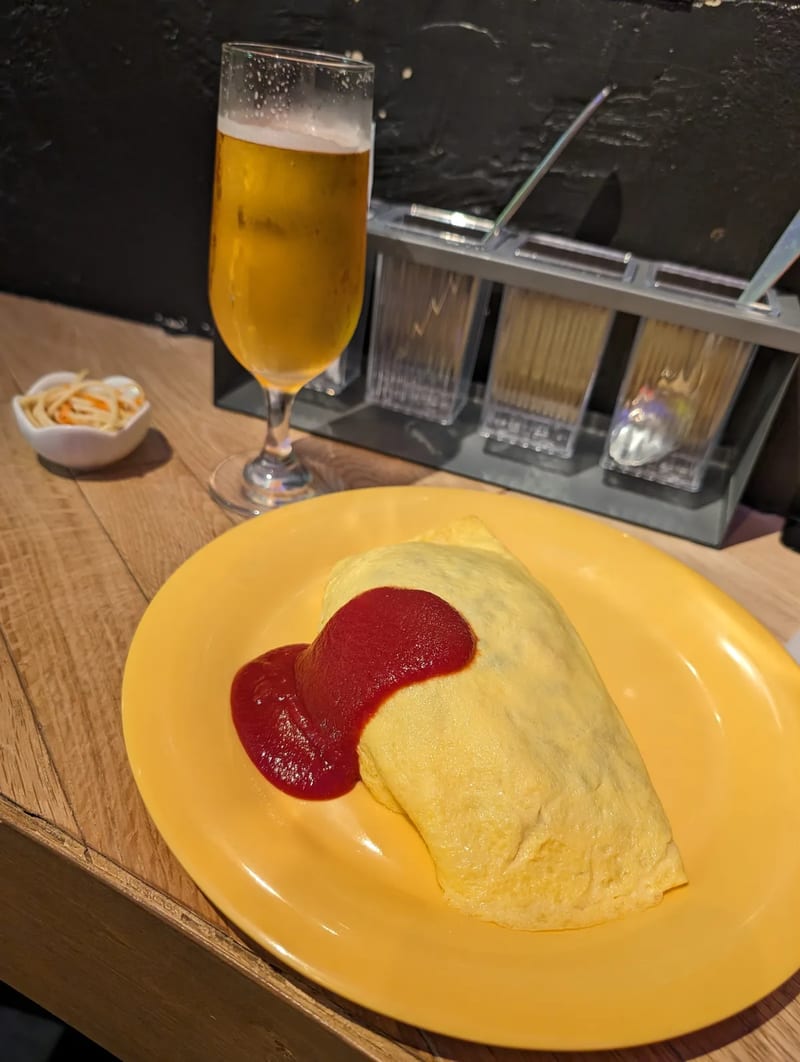
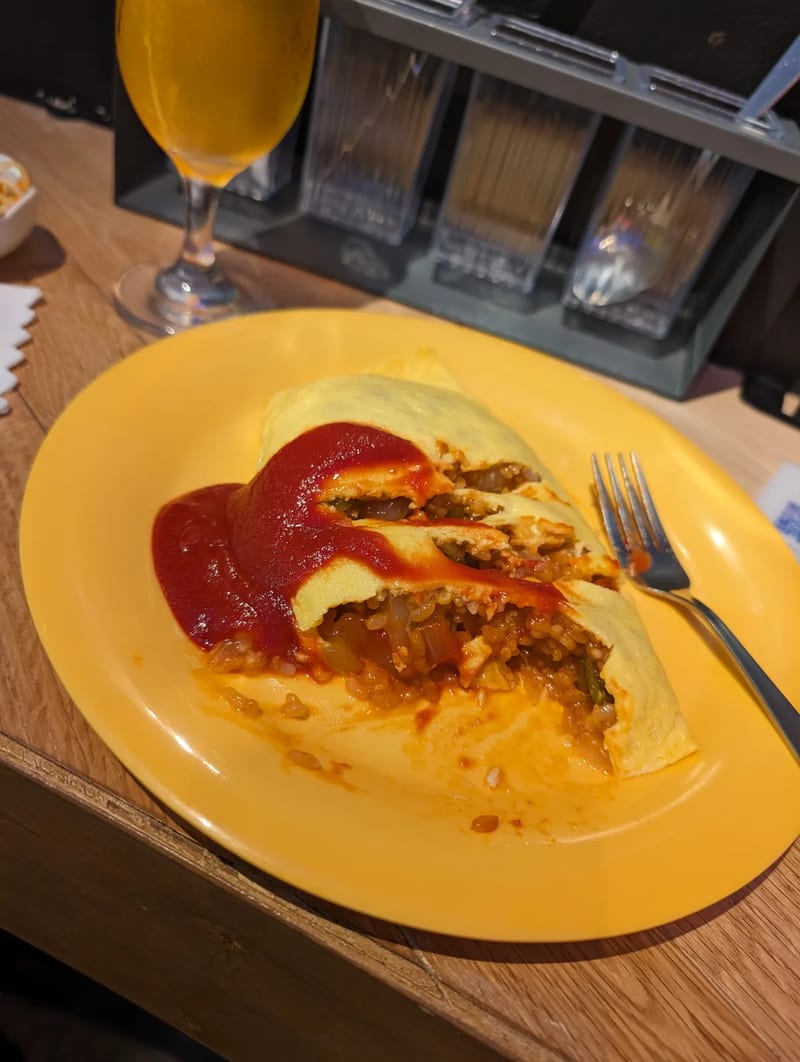
Knee was still a problem. This was the farthest drive of the trip and one of the fuller days in terms of distance covered. Tomorrow we stay in Tokyo, and it happens to be Father’s Day.
Read what happened next: Father’s Day in Tokyo: Senso-ji, Skytree, Gundam, and a Sony camera haul at Bic Camera.
Some links in this post are affiliate or referral links. If you use them, we may earn a small commission at no extra cost to you, and it helps keep this site running. See our disclosure for details.
Watch the Full Video
Video Chapters
Get Travel Updates
New stories and tips, straight to your inbox.
Sherwin Martin
Family man, traveler, and content creator. I explore the world with my wife Abby and our boys. We capture road trips, theme parks, and international adventures along the way.
Follow on YouTube
Join the conversation
Comments come straight to me rather than posting publicly, and I read every one. Your email is never published.