
We left Manila a little worse for wear. Abby’s dad’s birthday was the night before, so we were celebrating until late. 4:30 AM wake-up, two hours to Ninoy Aquino, and a 9:15 AM Philippine Airlines flight. My head was throbbing but I was not missing Japan.
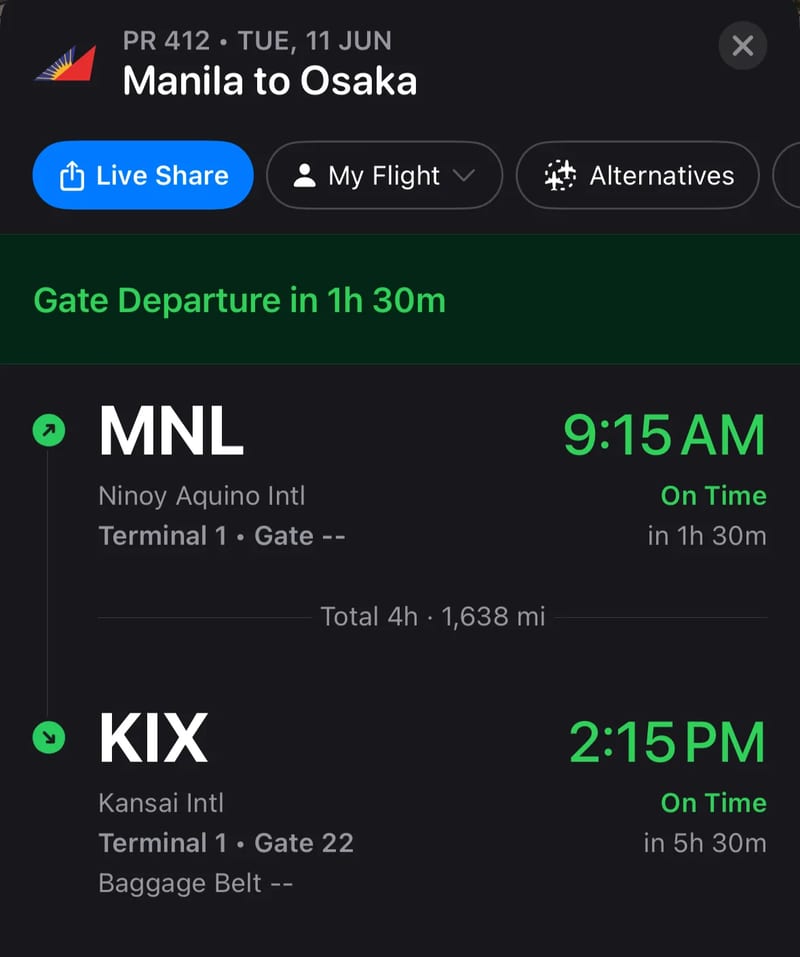
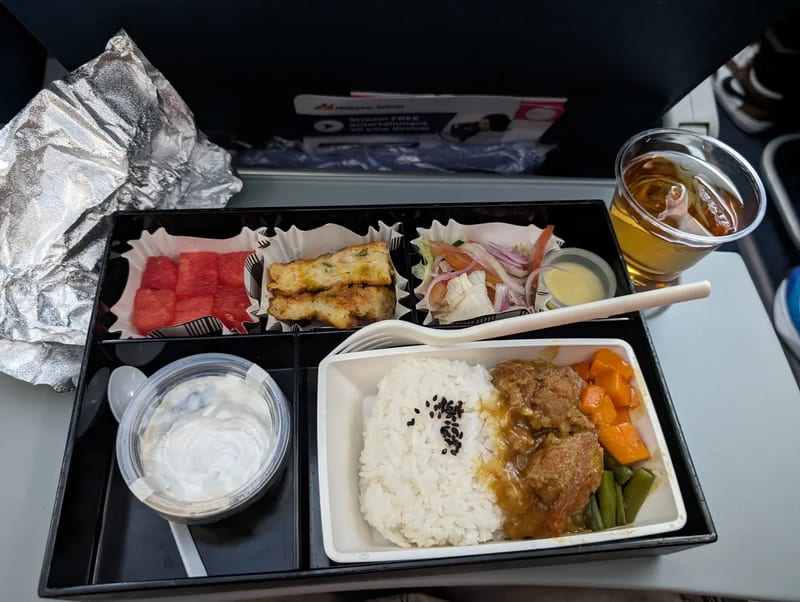
The flight is about three and a half hours, which is nothing compared to flying to the US. And Philippine Airlines has solid in-flight meals: rice, meat, a full tray. Not glamorous but it hits.
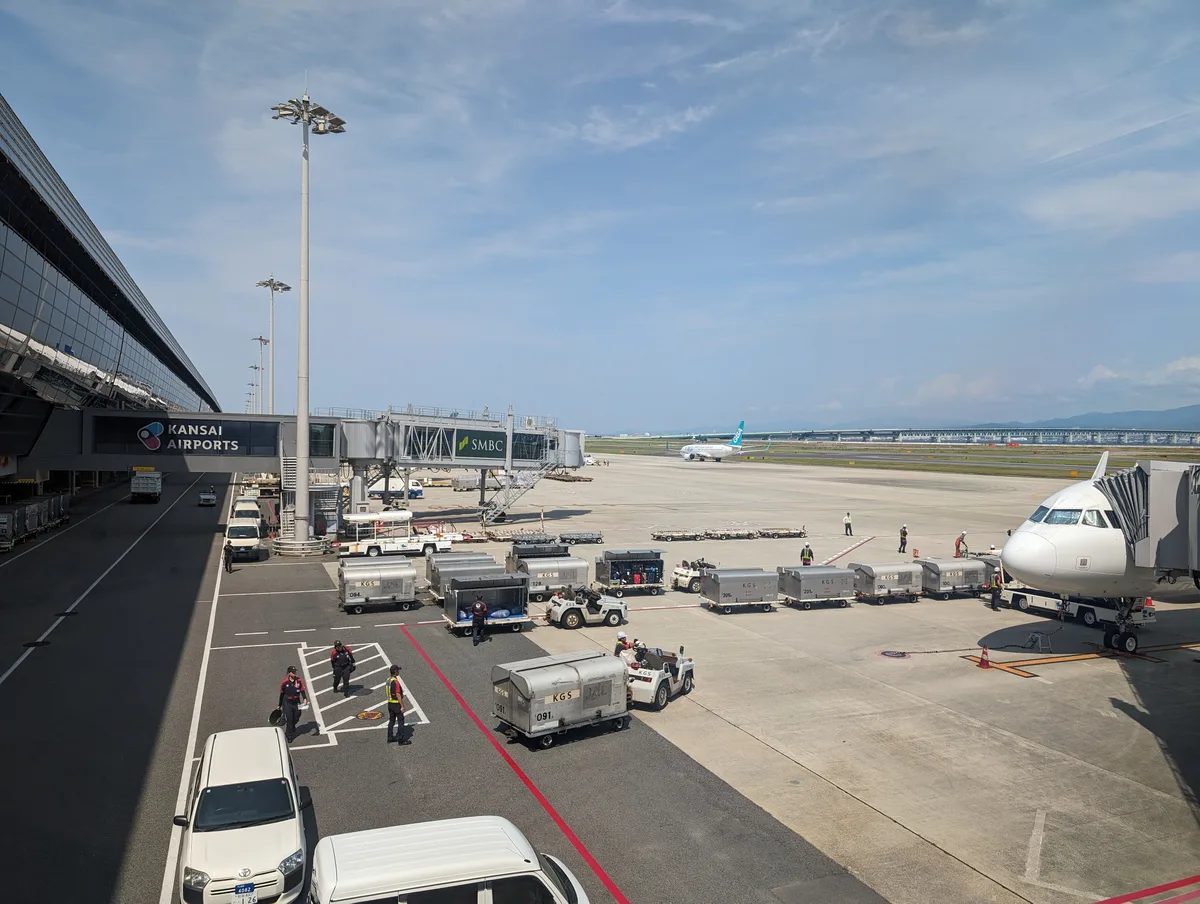
Kansai International Airport, Osaka, Japan
Landing at Kansai International Airport (KIX) hits different when you know the backstory. This entire airport is built on a man-made island in Osaka Bay, and apparently, it’s been sinking ever since it opened. I caught a YouTube video about it in the airport and went down a quick rabbit hole. The engineering here is genuinely wild.
First thing you notice walking off the plane: everyone here is telling you to check out the bathrooms. Every person who had been to Japan before us gave us that same warning/recommendation. We’ll get there.
Immigration was a little rough. We had six people with us: Abby and me, our kids, and Abby’s sister and niece who are Filipino nationals. Abby had filled out one immigration form for the whole family. They said no. Everyone needs their own, minors included. The language barrier made it a bit chaotic, but we got through it.
Also, when we got to the immigration counter, the officer goes: “You can stay until September.” As a Filipino-American I keep forgetting: I’m a visitor. Blue passport doesn’t mean anything here other than 90-day visa exemption. It was a good reminder to slow down and not take access for granted.
Staying Connected in Japan
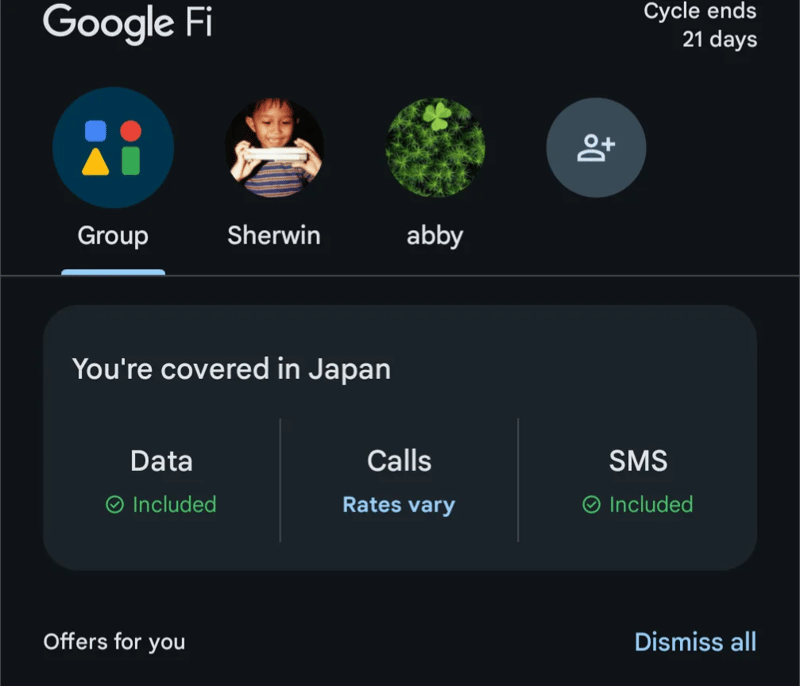
Before we headed out, we grabbed pocket Wi-Fi at the airport for Abby’s sister and niece. Abby and I have Google Fi, which works in Japan out of the box: data, SMS, calls at low rates. No SIM swap needed, no activation, no stress. If you’re an international traveler and you’re not on Fi yet, I have a referral link for Google Fi: you get $60 in credits, I get $60. Win-win.
For everyone else, pocket Wi-Fi from the airport kiosks is a solid option. It was fast enough and covered our whole group.
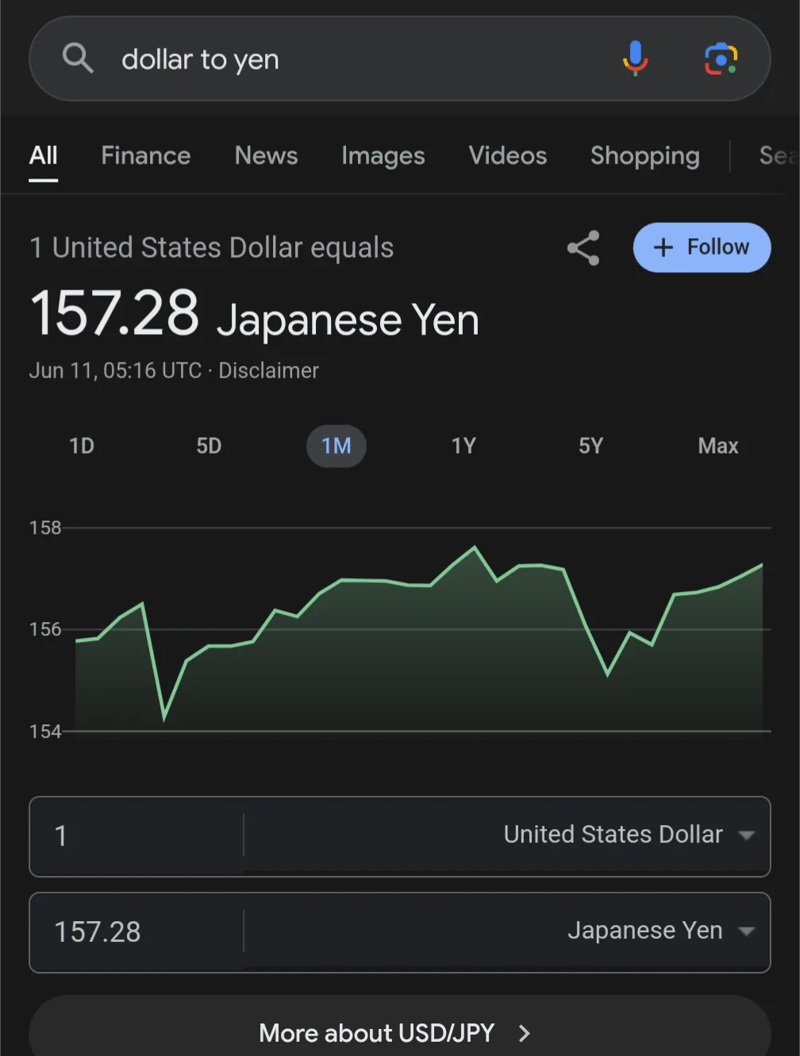
One more thing on the money side: the exchange rate when we arrived was 1 USD = 157 JPY. The yen has been weak against the dollar for a while now, which honestly makes Japan more affordable for Americans than it used to be. Worth keeping in mind when budgeting.
If you’re planning a Japan trip, a card with no foreign transaction fees is essential. I use the Chase Sapphire Preferred® or Reserve® for all international travel: no foreign transaction fees, no currency conversion fees, and you’re earning points on every meal and hotel stay.
The Ride from the Airport
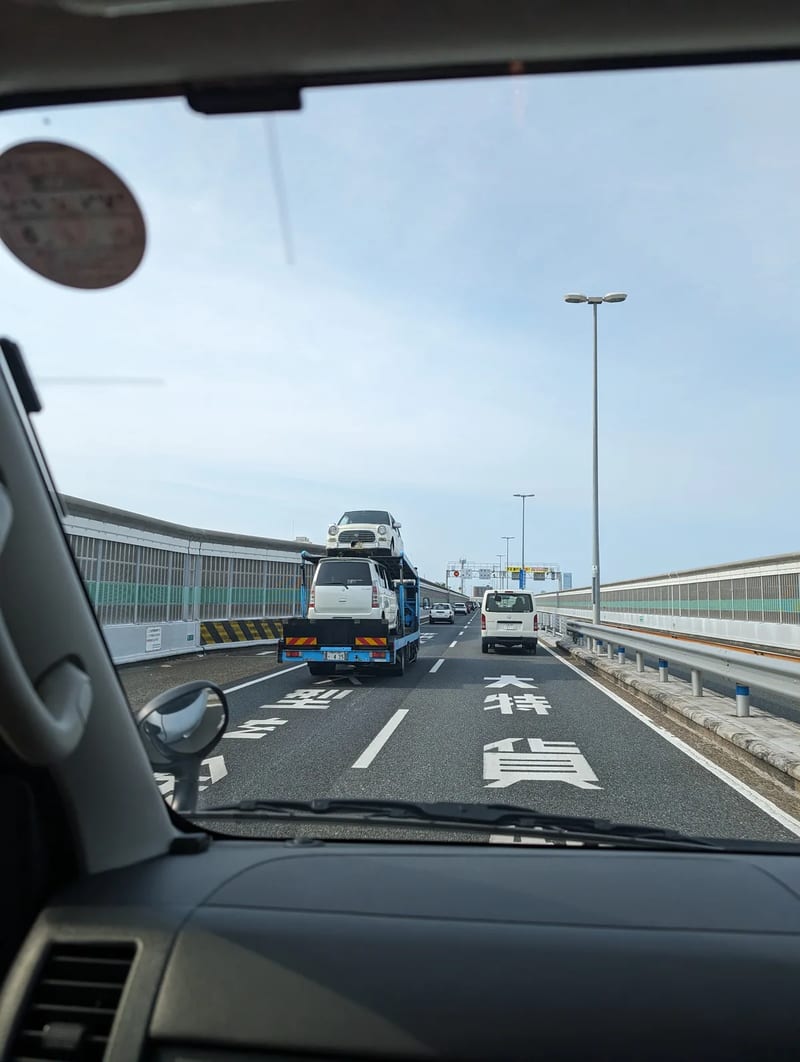
Our pickup was a Toyota Hiace van, and it was huge. I’m sitting up front trying to process that the driver is on the right side and we’re driving on the left side of the road. I’ve seen it in videos but experiencing it in person took a full minute to calibrate.
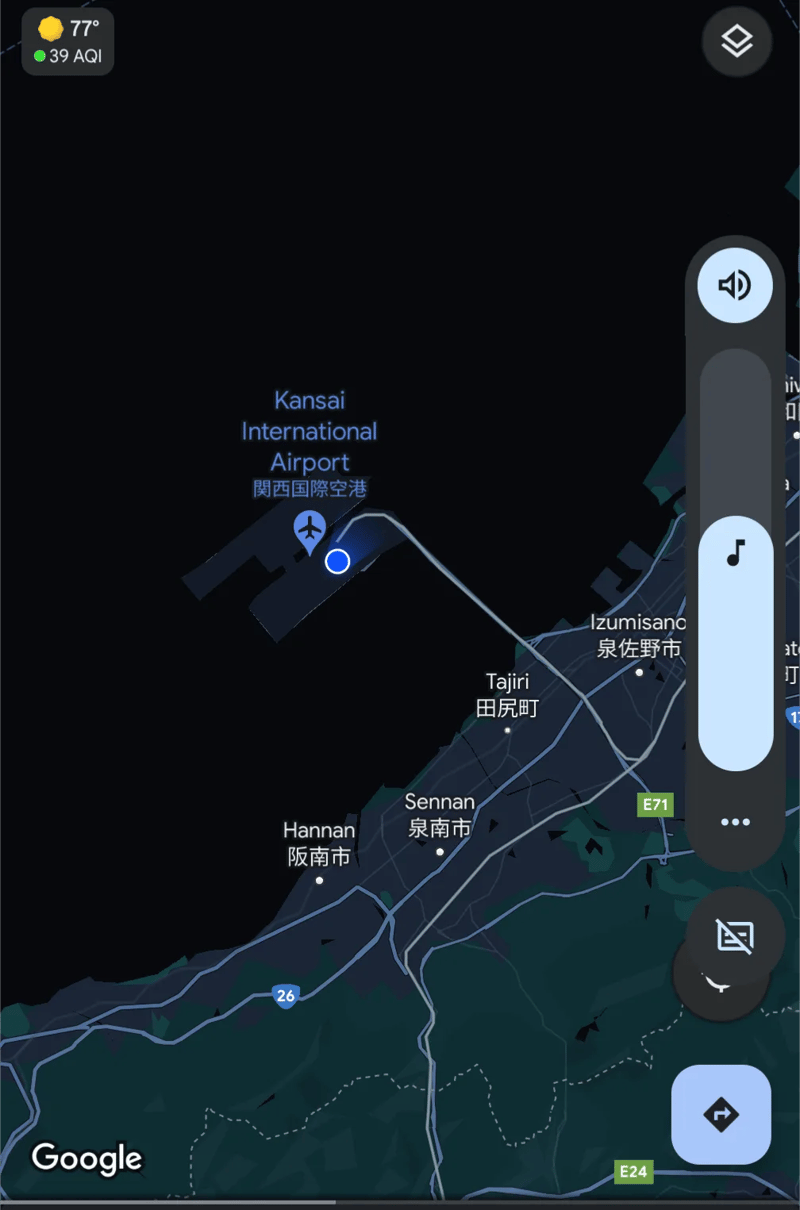
We crossed the long bridge that connects the airport island to mainland Osaka. You can see it from the plane on approach, a massive cable-stayed bridge stretching across the bay.
Then we hit the highway and I just started naming cars out the window. An LS600h F Sport. I’d never seen that in person. A Nissan Roox, a little kei car with a sliding door, which is insane for a car that small. Toyota Vellfire, Toyota Vitz, Honda Freed hybrid. These aren’t rare here. They’re everywhere. The variety of vehicles you see just in the first hour of driving through Japan is incredible.
Sotetsu Grand Fresa Hotel, Osaka
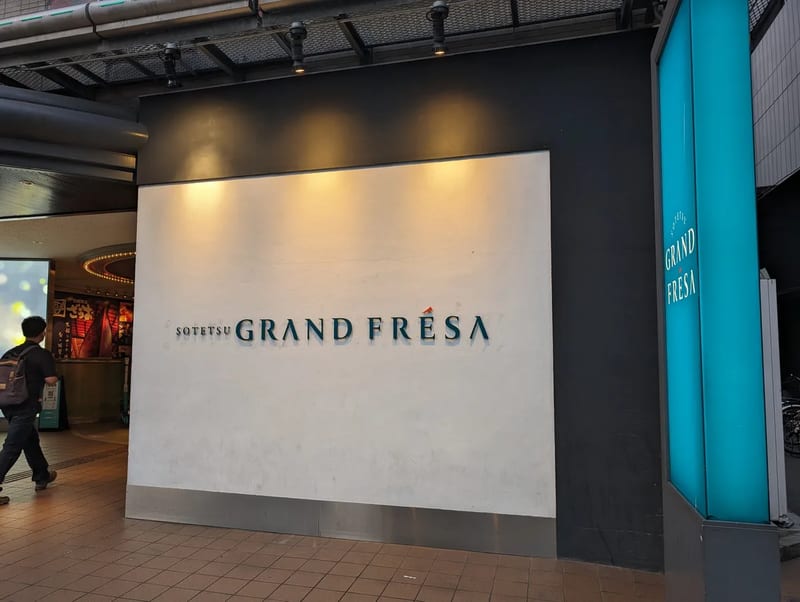
We checked into the Sotetsu Grand Fresa Osaka-Namba. The room is small, which I expected in Japan, but the hotel itself was full of thoughtful details that made up for it.
First thing I checked was the bathroom. Bidet. Obviously. And a full tub, even in a small room. That’s something you appreciate quickly when you’ve been traveling all day.
The real standout was what the hotel did in the lobby. No toiletries in the room. Instead, they have a free amenity corner in the lobby with everything laid out: Q-tips, toothbrushes, toothpaste, combs, shave kits, razors. You walk down and take what you need. Same setup for tea, coffee, creamer, sugar.
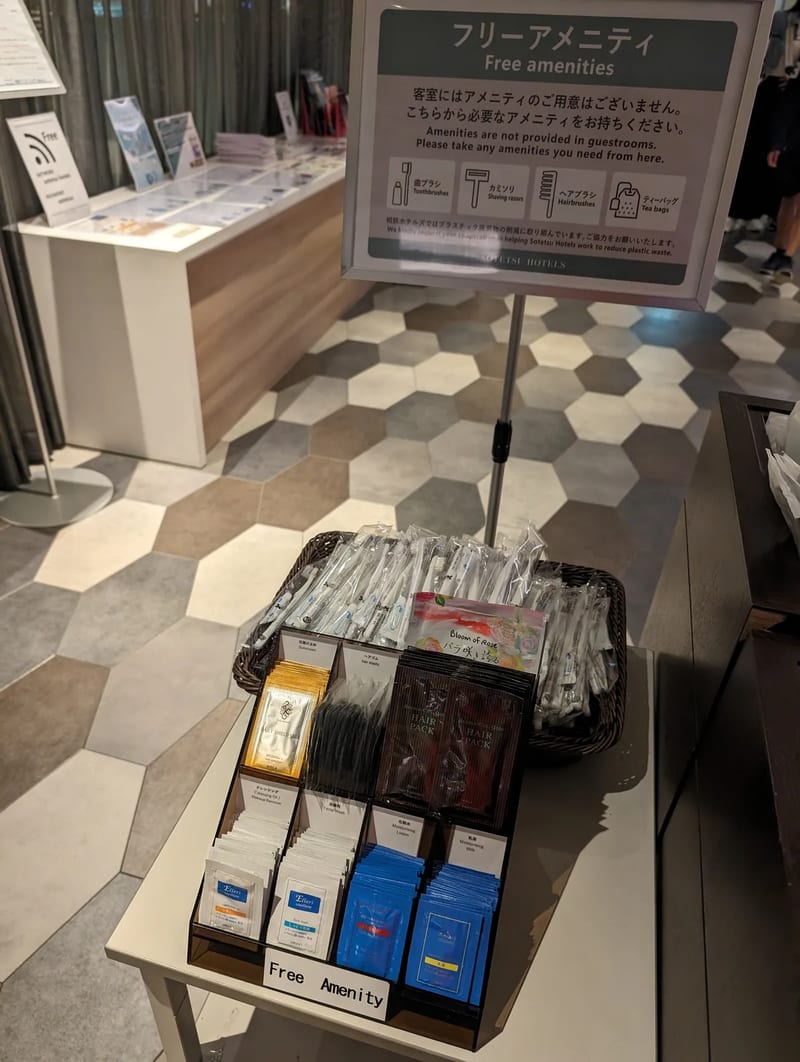
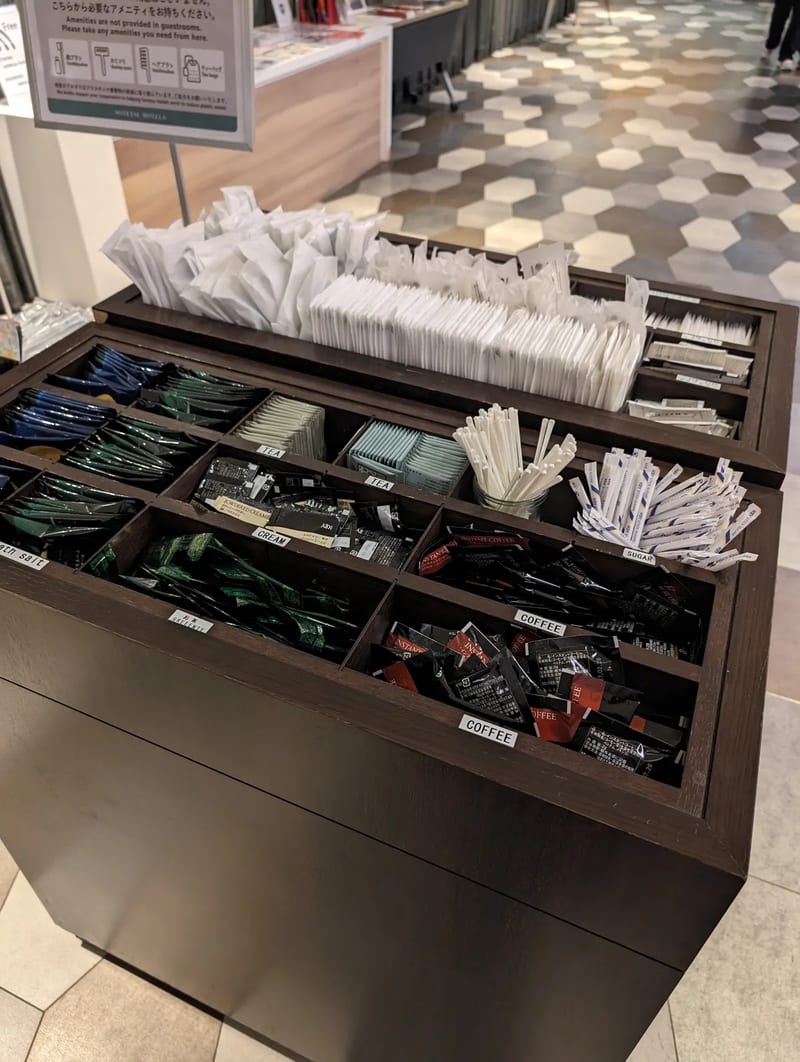
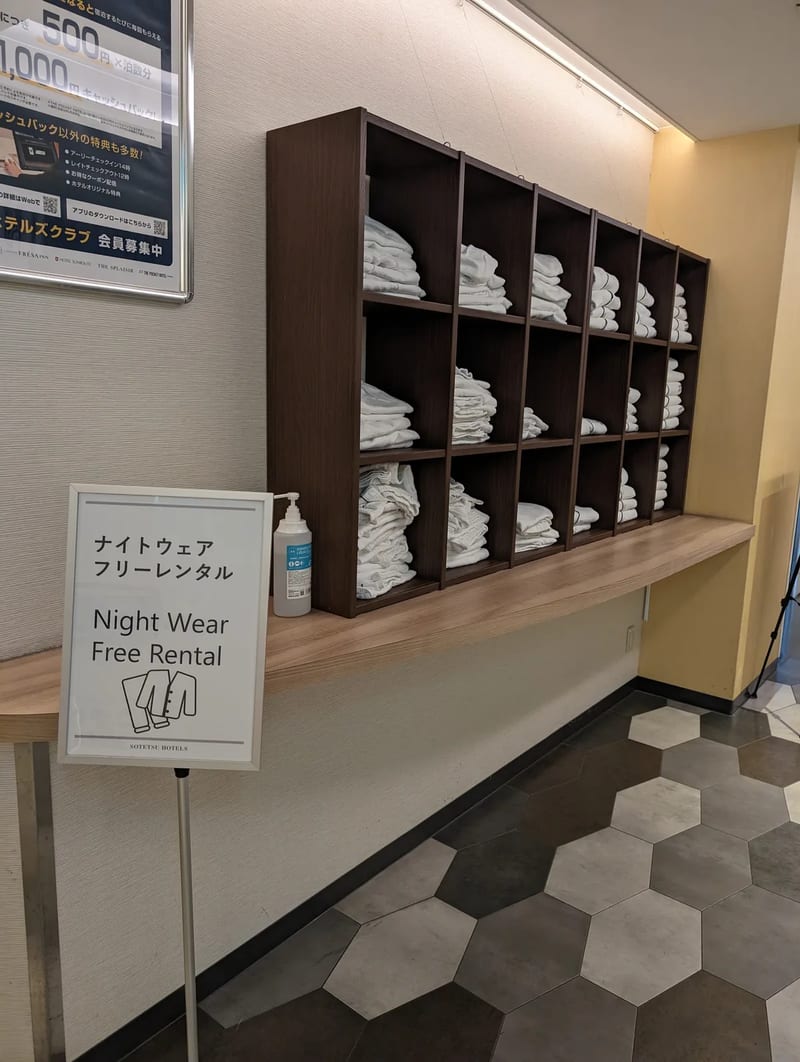
They also had free nightwear rental. Not buying pajamas, borrowing them. Folded neatly on a shelf, with a sign explaining the policy in English and Japanese.
Outside the hotel there were electric scooters and an e-bike to rent, similar to what you see in LA with the Lime and Bird setups. The hotel is right in the Namba area, which puts you walking distance from basically everything.
Dotonbori at Dusk
We dropped our bags and went straight to Dotonbori. It’s maybe a five-minute walk from the hotel and it hits you immediately: neon signs in every direction, the smell of food from every stall, people everywhere.
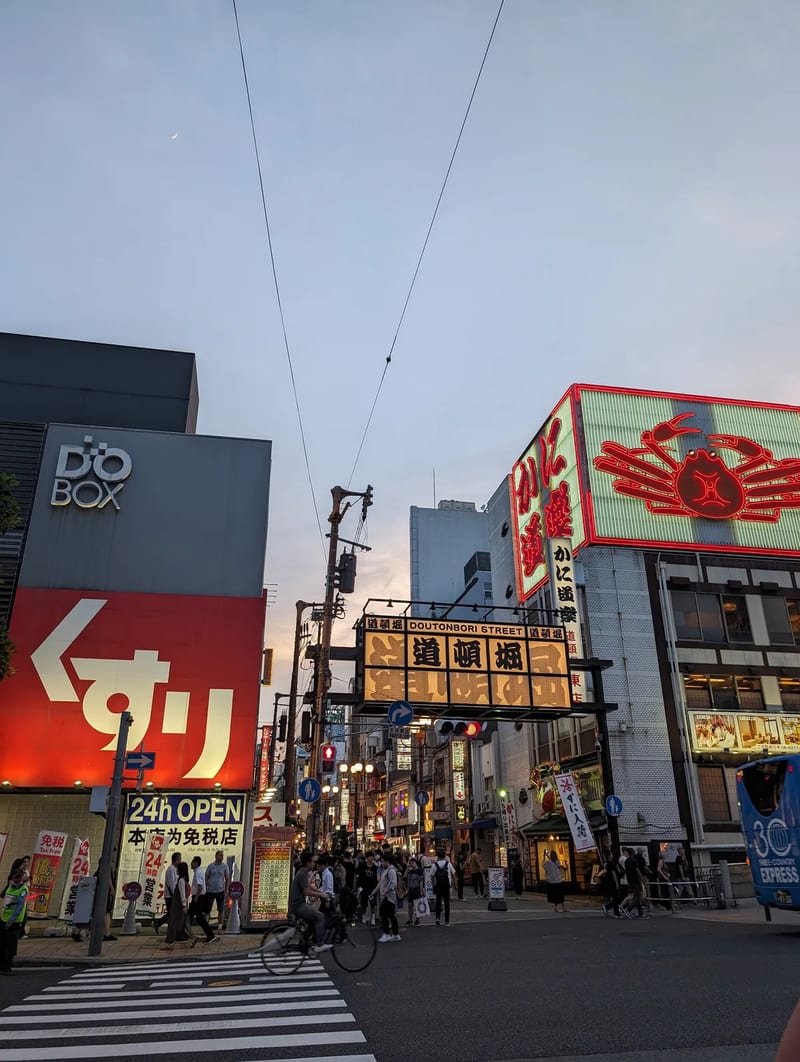
The giant red crab sign. The Glico Man billboard. The canal. It’s exactly what you’ve seen in photos but somehow more alive in person.
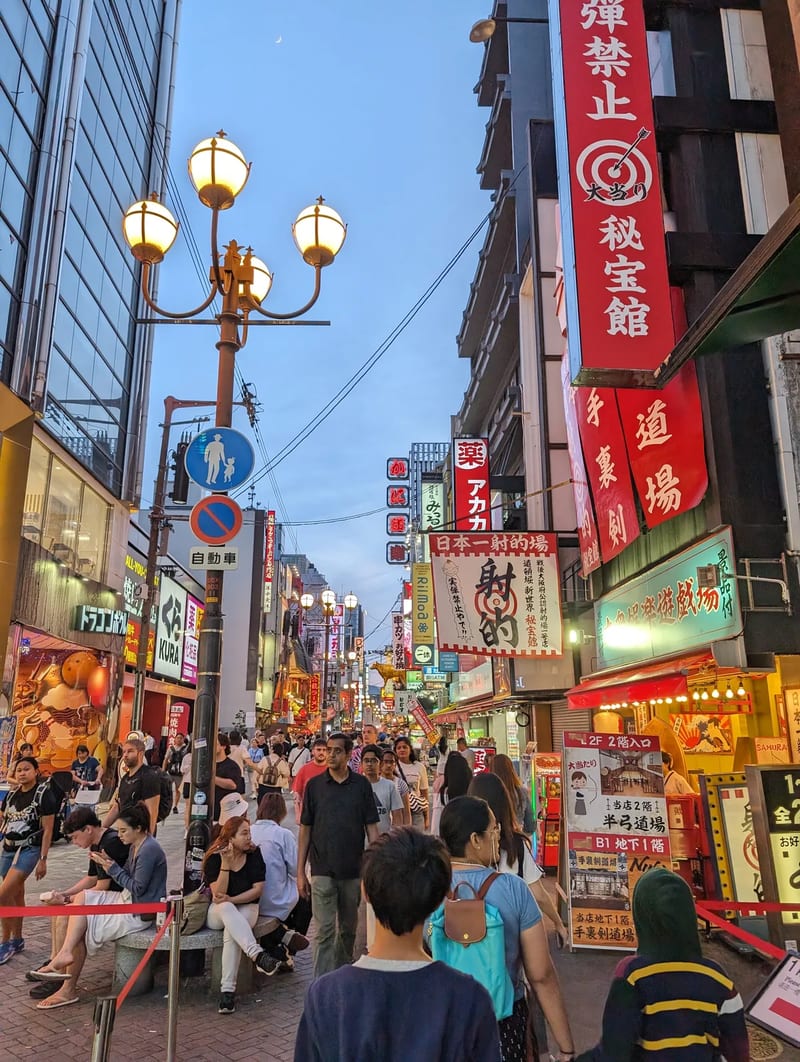
We walked the canal side and took a ton of family photos. We did the thing where you pose like the Glico Man: both arms up, running pose, big smile. We did it as a duo, we did it as the whole group. No shame. This is what you do here.
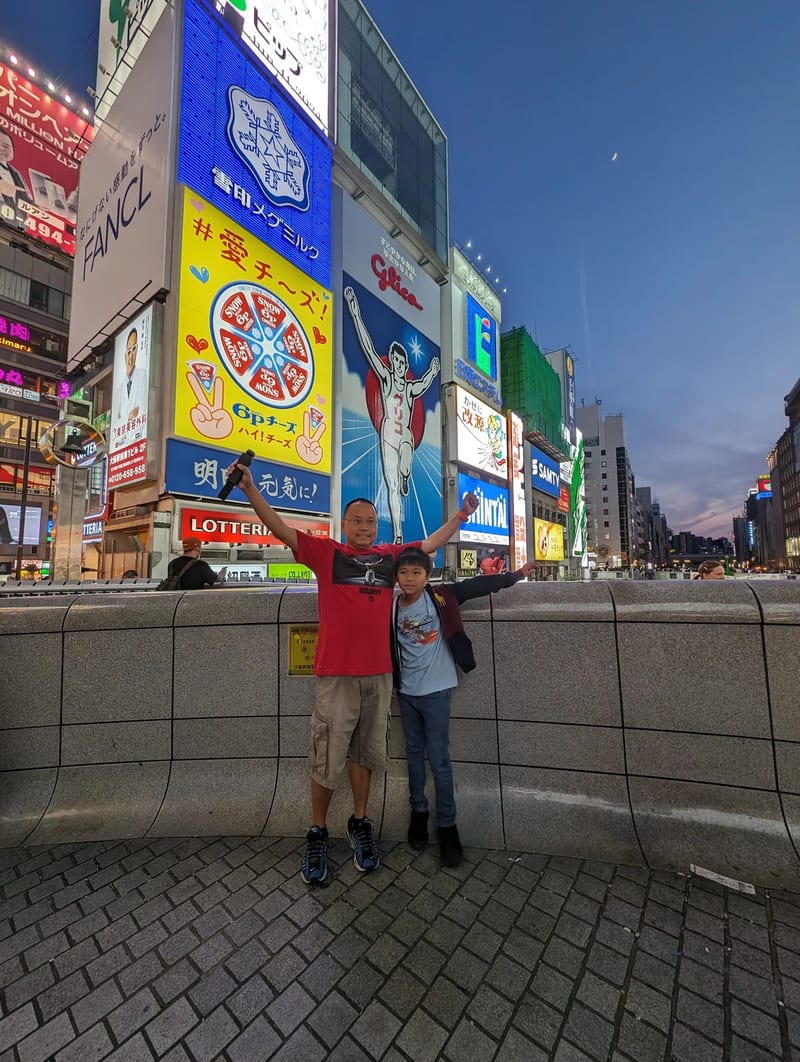
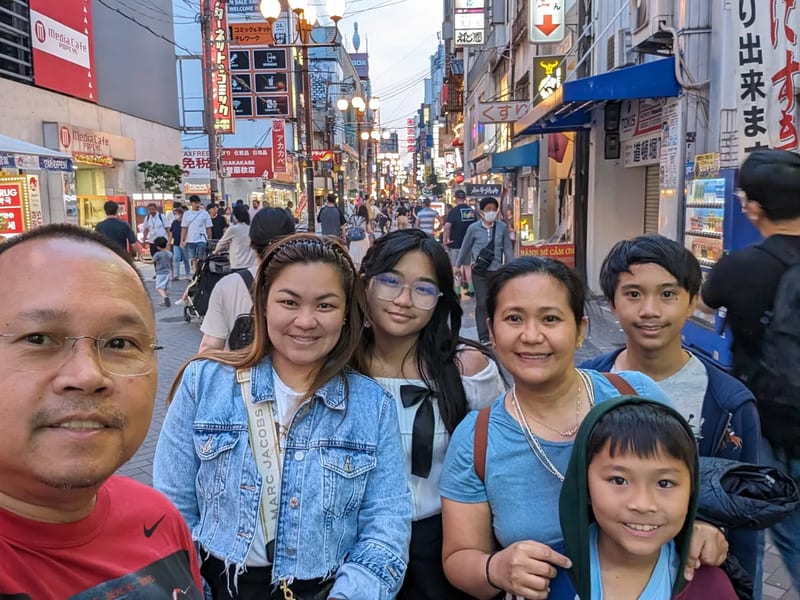
More of our Glico Man photos are in the gallery below. We clearly had fun with it.
Kura Sushi in Osaka
We wrapped the night at Kura Sushi. We have Kura in California (the one near us is decent), but this is a completely different experience. The sushi tastes better. The fish is fresher. The rice has better texture. I don’t know if it’s the ingredients or the fact that we were eating it in Osaka at 9 PM after walking Dotonbori, but everything hit harder.
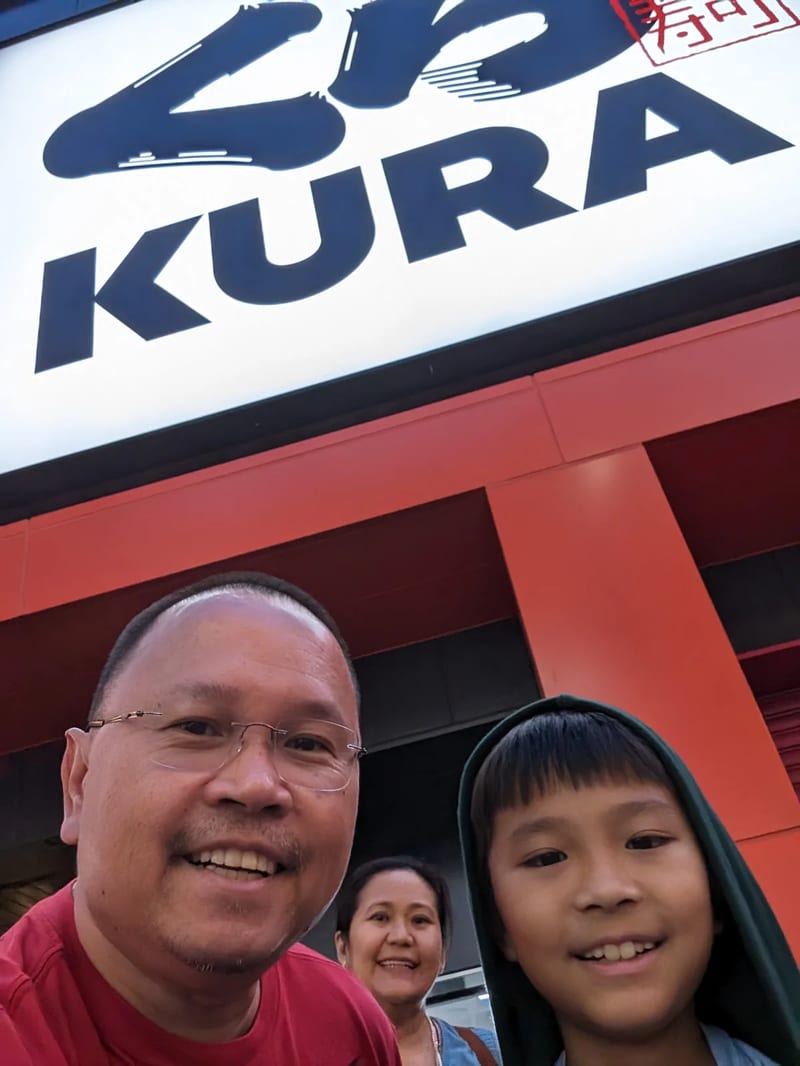
Six people. Sushi, a few desserts, tea. The bill? ¥7,550.
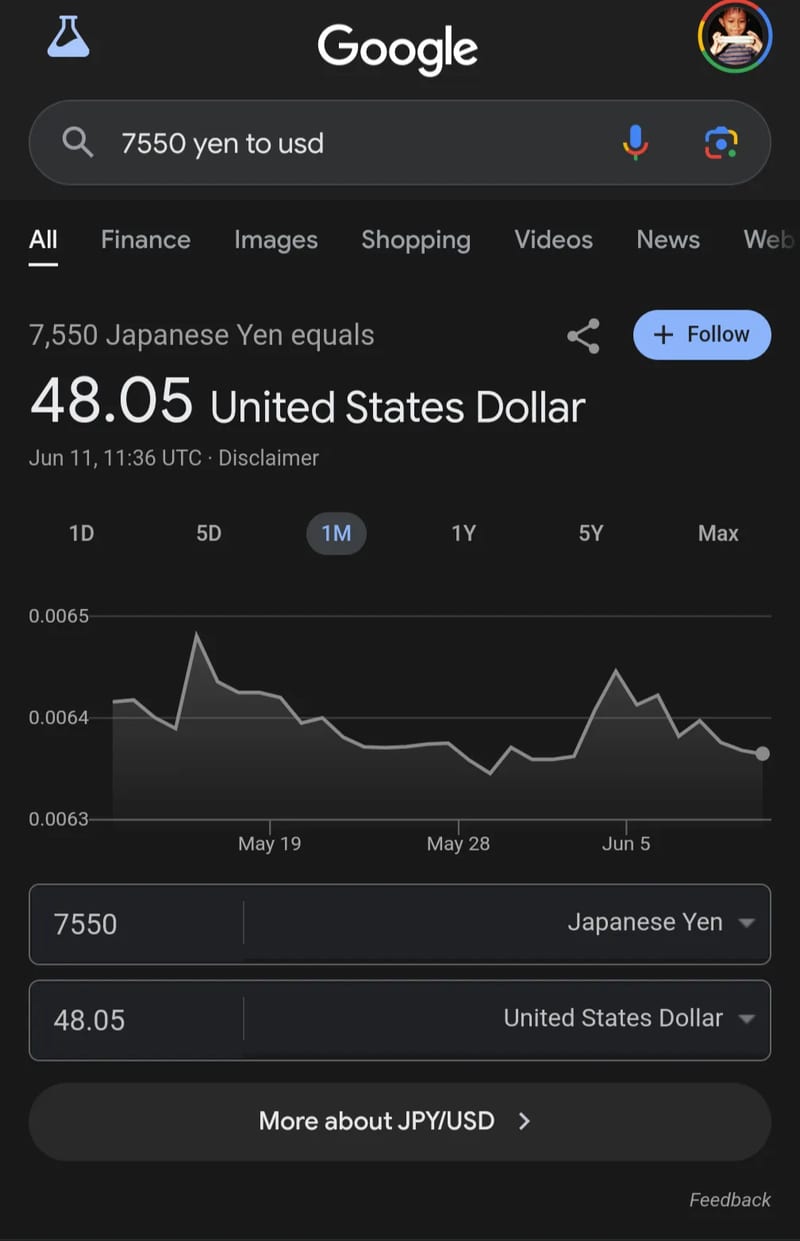
$48. For six people. With the dollar at 157 yen, it’s hard to overstate how affordable Japan feels right now for American travelers. Plates start at 95 cents. You can eat incredibly well here without wrecking your budget.
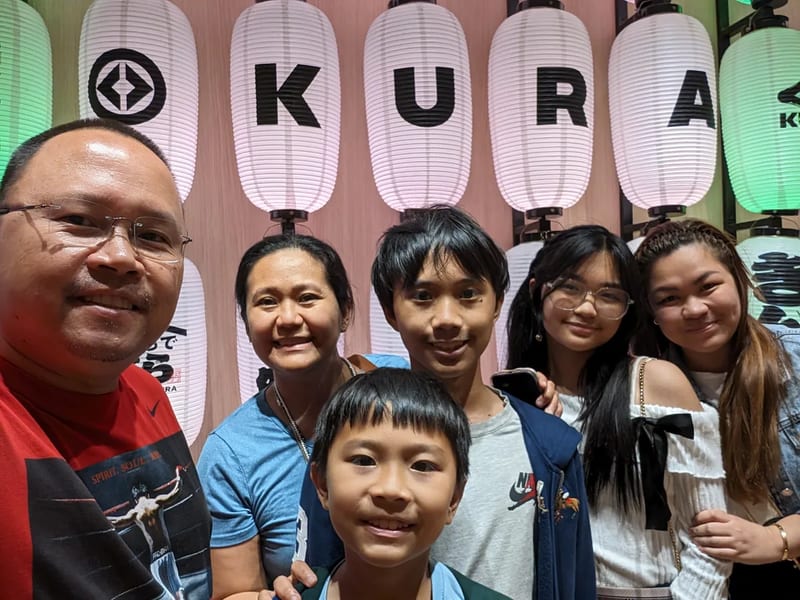
We’d been in Japan for less than eight hours and I was already in love with this place. Day two takes us to Osaka Castle, the Umeda Sky Building, and the Cup Noodles Museum, and you can read that one here.
Photo Gallery
Watch the Full Video
Video Chapters
Get Travel Updates
New stories and tips, straight to your inbox.
Sherwin Martin
Family man, traveler, and content creator. I explore the world with my wife Abby and our boys. We capture road trips, theme parks, and international adventures along the way.
Follow on YouTube
Join the conversation
Comments come straight to me rather than posting publicly, and I read every one. Your email is never published.