
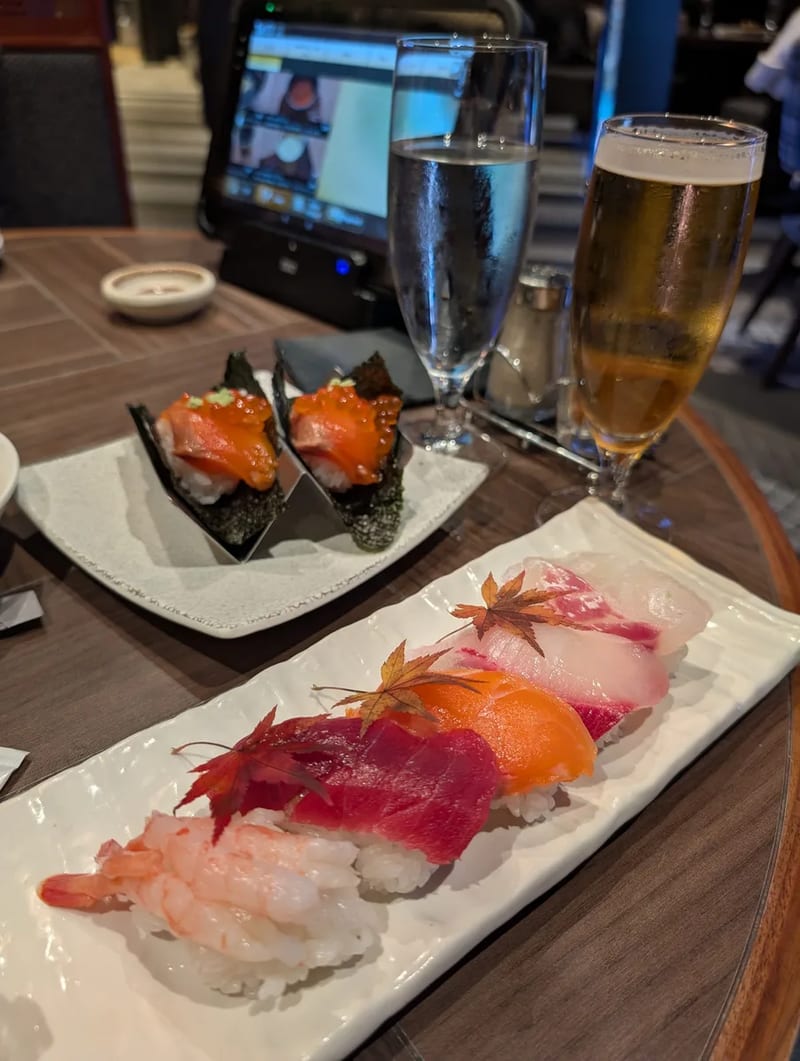
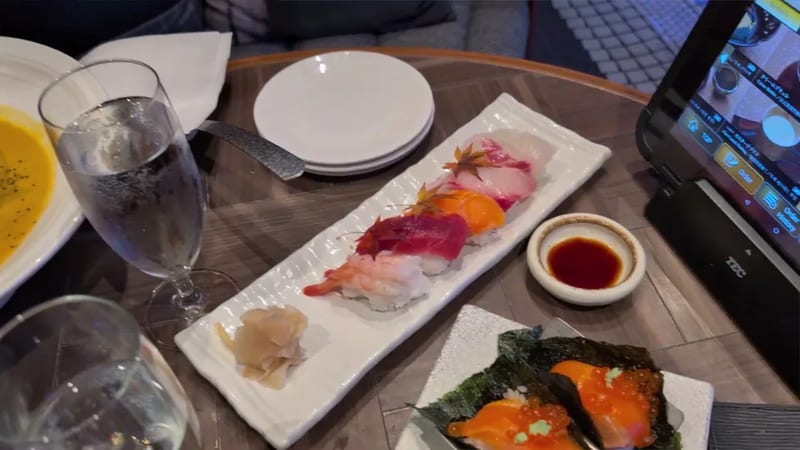
Day two in Shibuya, Tokyo, and the plan was simple: more shopping for everyone else, more eating for me. The night before we’d found a place that was technically an udon restaurant, except I went rogue and ordered sushi instead. No regrets. The sashimi platter that showed up, topped with little maple leaves, was one of the best plates I had on the whole trip.
Breakfast and a Quick Lesson in Japanese Culture
Two of us had breakfast included with the room; I paid around $10 for mine. Worth it, mostly because of the conversation. Our server got to talking about Japanese consumer culture, and it explained something I’d notice all day.
The short version: people here like buying nice things, but they don’t necessarily like keeping them. When someone moves into a new place or just feels like refreshing their life, they let the old stuff go, even when it’s barely been touched. That constant turnover is exactly why the secondhand scene in Tokyo is unreal.
Taking the Tokyo Subway to Harajuku
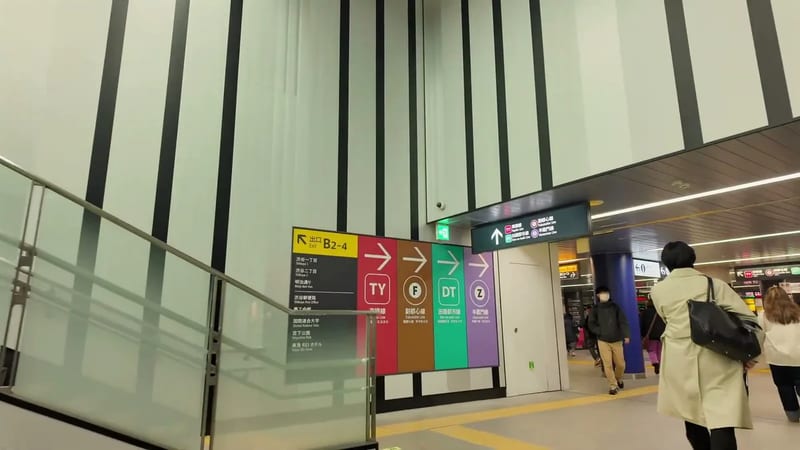
From Shibuya we hopped on the subway over to Harajuku. I will never get over how clean and organized the trains are here. Everything’s in Japanese, sure, but there’s enough English signage that you’re never truly lost, and the whole system just works.
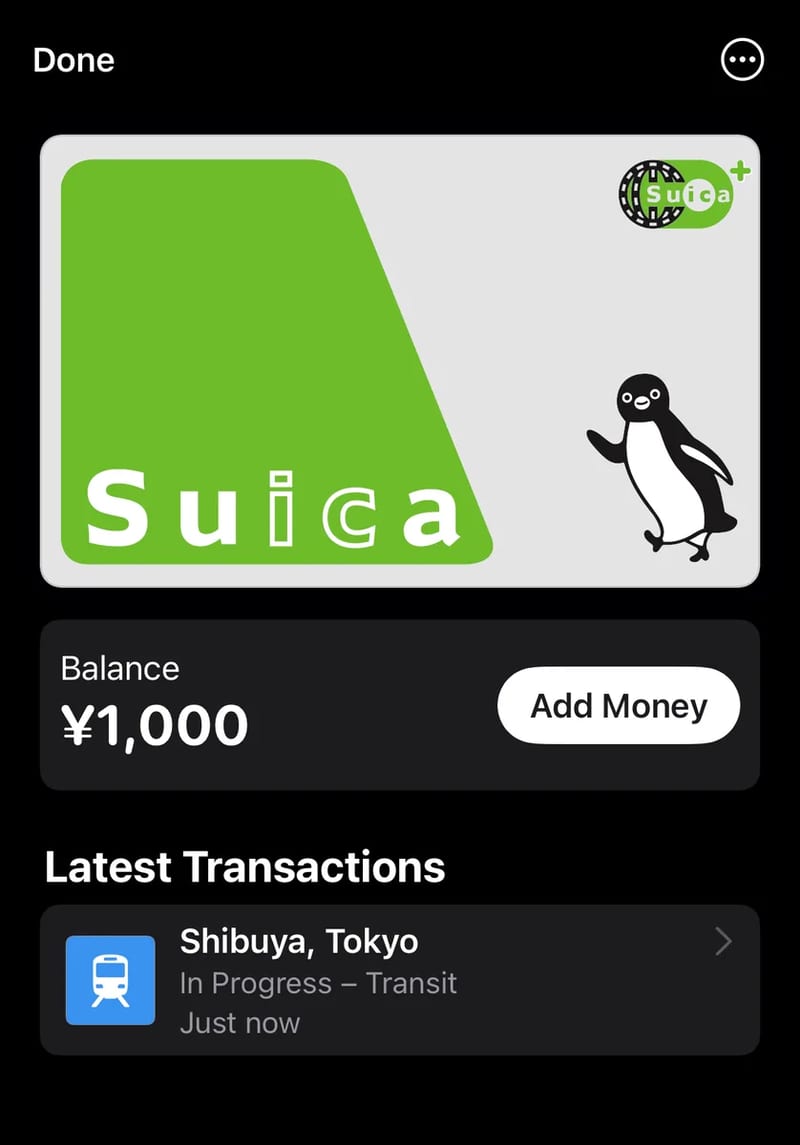
The thing that makes it effortless is tapping in with a Suica card loaded into your phone. No paper tickets, no fumbling for the right coins. You just tap and go, and it tracks every ride. (Suica is Japan’s rechargeable transit card, and adding it to Apple Pay or Google Wallet takes two minutes.)
Shelves of Barely-Used Luxury
This is the part where Harajuku earns its reputation. The thrift stores here are nothing like the thrift stores back home. We stopped at Second Street, and the racks were full of Gucci, Coach, Louis Vuitton. Name-brand stuff, hardly worn, at a fraction of retail. This is the whole reason my wife loves coming here.
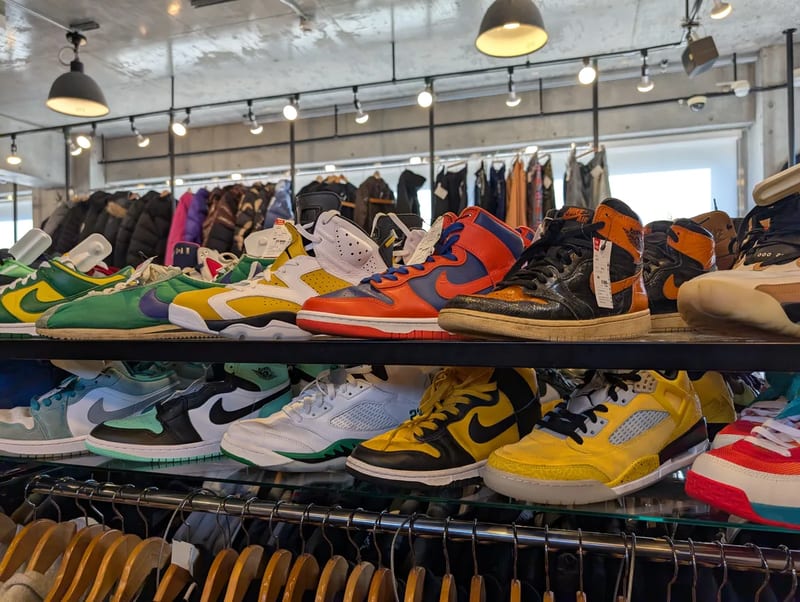
Up on the second floor, there were shelves of Jordans. I’m not really into sneakers anymore, but even I stopped to look. A few of them didn’t look familiar at all, possibly exclusive Japan-only colorways you’d never find in the States.
If you do come here to shop, do yourself a favor and bring a card with no foreign transaction fees. We used the Chase Sapphire, which charges in yen with no conversion markup. On a trip built around secondhand designer hauls, that adds up fast.
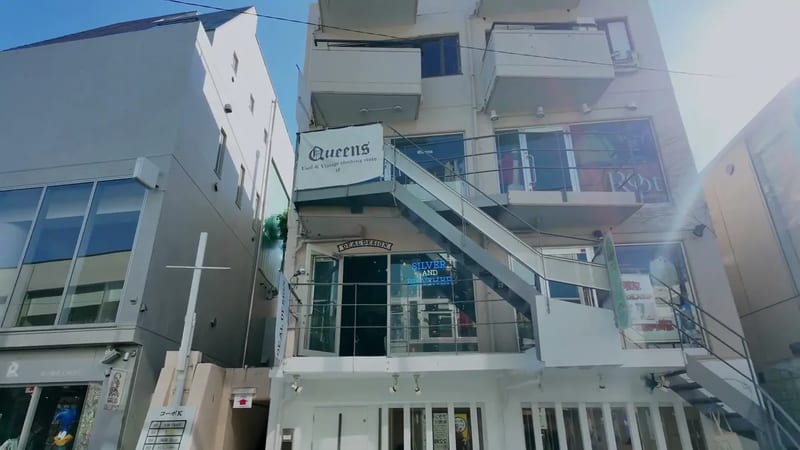
The side streets are where the secondhand gold hides. The main avenue is all flagship stores, but duck into the smaller lanes and you find the vintage shops tucked into narrow buildings.
The Ivy-Covered Ralph Lauren Building
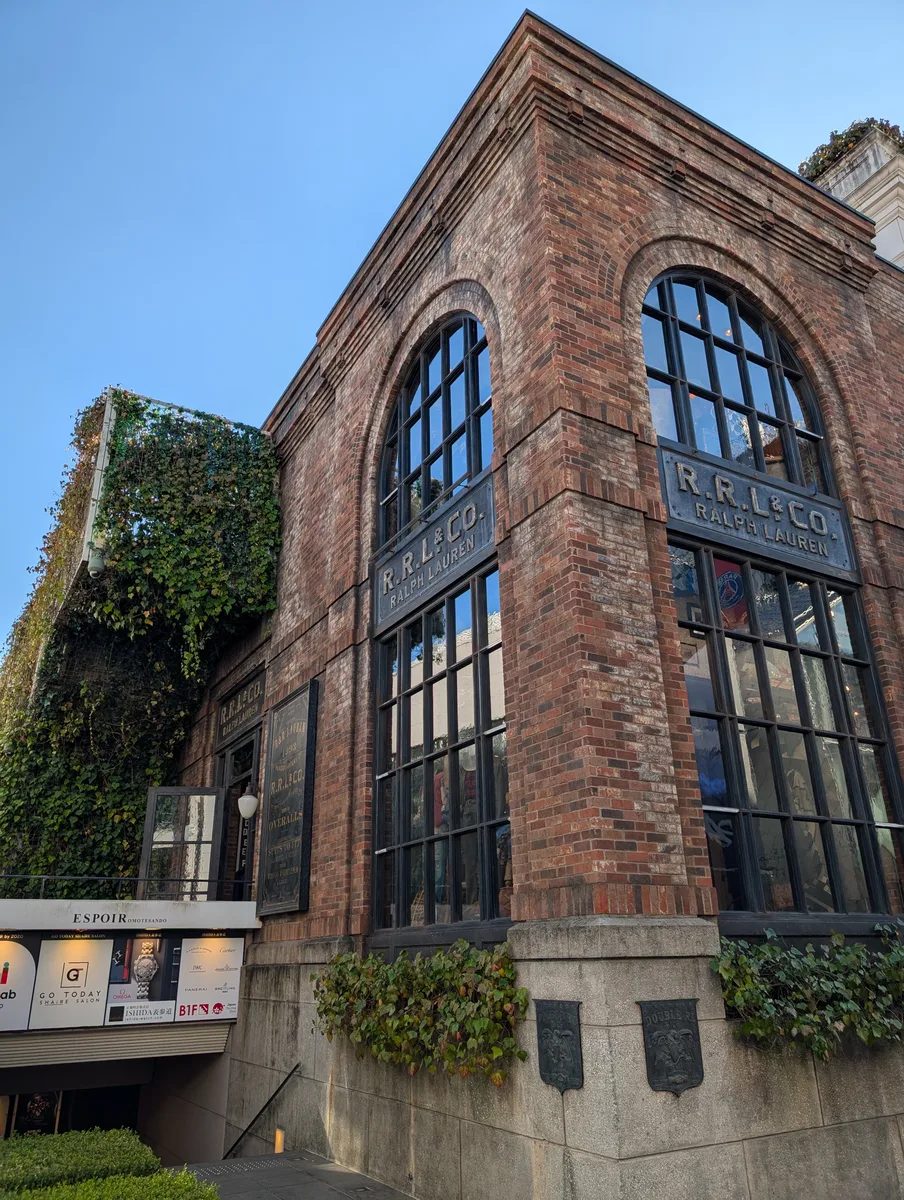
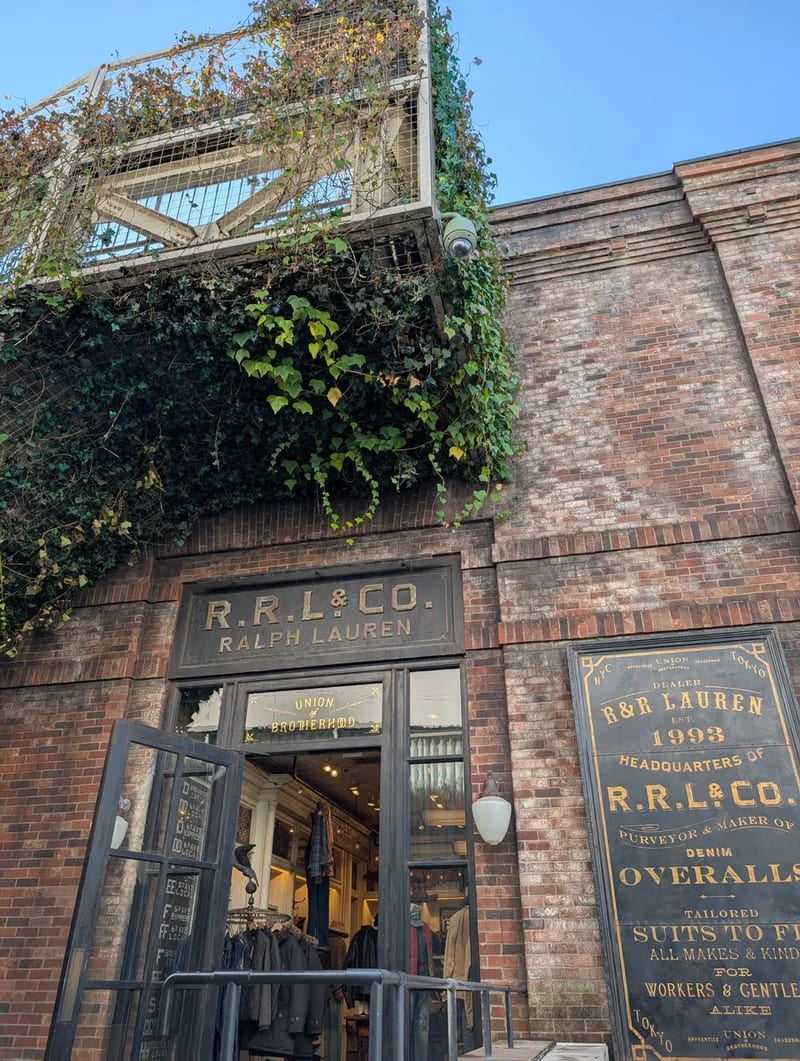
On one corner I stopped dead because of a building. It’s the R.R.L. & Co. Ralph Lauren store, and it’s this gorgeous old brick structure with tall arched windows and foliage climbing all over the facade. In a neighborhood full of glass-and-steel flagships, it stands out by looking like it’s been there a hundred years.
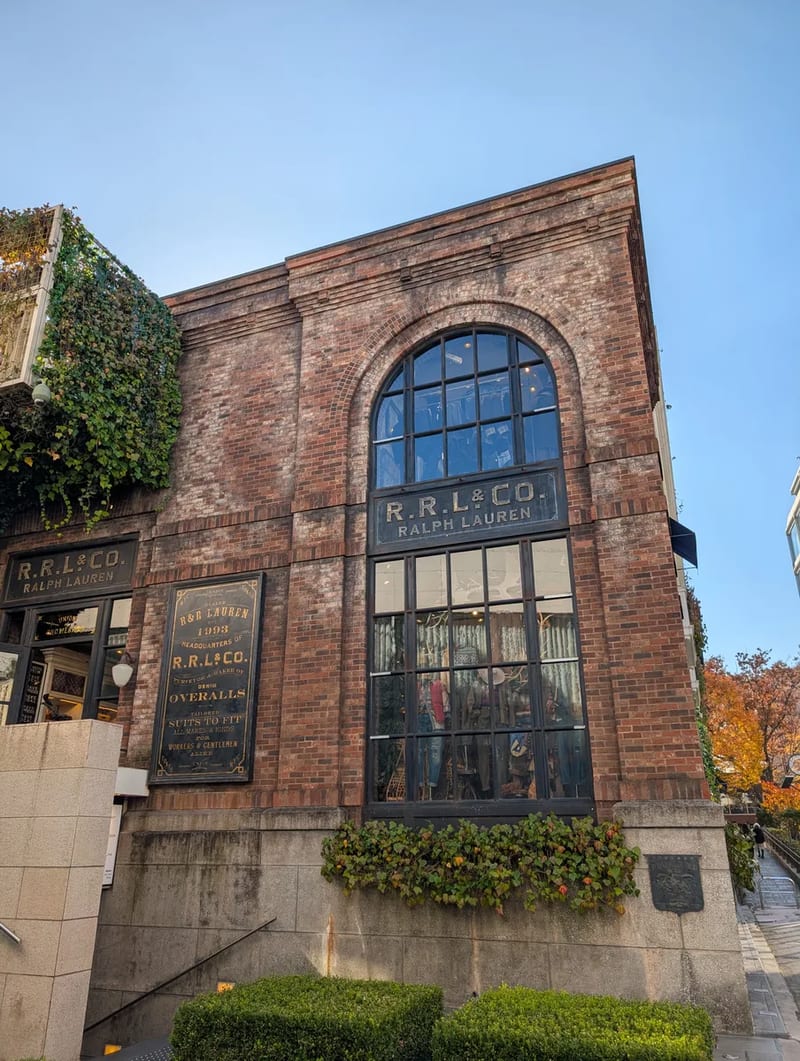
The ivy creeping over the brick, the warm wood signage, the open door. I could have stood there taking photos for way too long.
Backstreets vs. the Main Drag
What I love about this area is the contrast. The quiet backstreets feel local and lived-in: bikes parked out front, small independent shops, autumn leaves hanging over the lane.
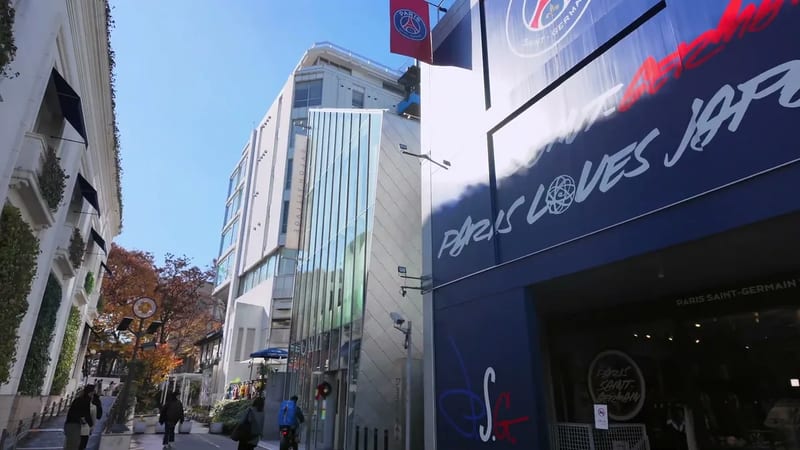
Then you step back onto the main boulevard along Omotesandō and it’s basically the Beverly Hills of Tokyo: Hermès, Cartier, Tag Heuer, one luxury flagship after another, crowds of people strolling under the trees.
Yakiniku Lunch at Motomura
By now I was starving, so we stopped at Motomura, a beef yakiniku spot we’d actually eaten at before in a different location over the summer. It’s a tiny place, but the format is the whole appeal: you cook your own cuts of beef on a hot stone right at the table, with sides, soup, and barley rice.
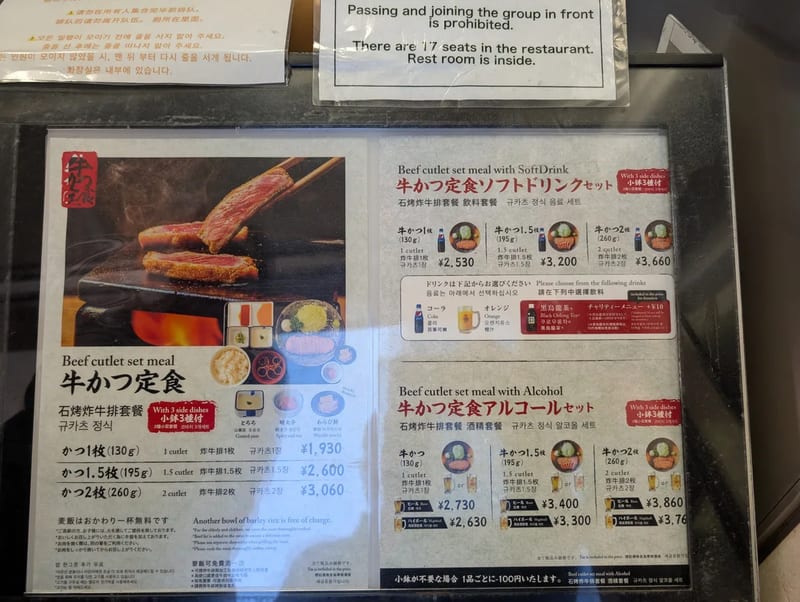
The menu is straightforward: different beef cutlet sets at different price points, with photos so you know exactly what you’re getting.
The Dior Building That Looks Like the End of the World
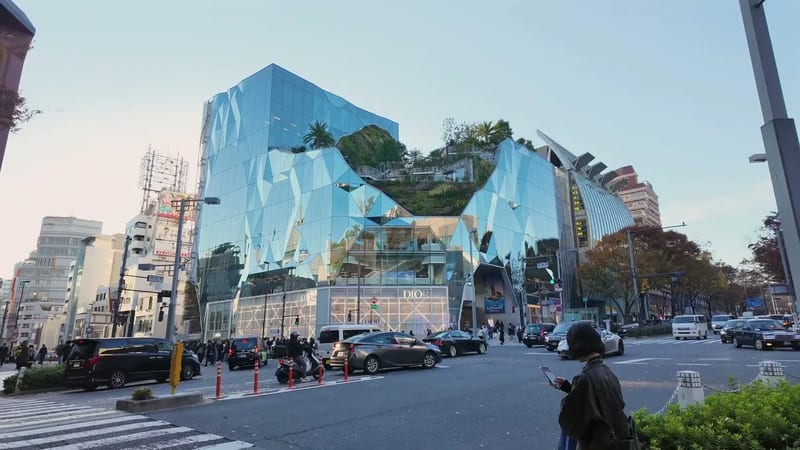
One last stop that I couldn’t walk past. There’s a Dior store on the boulevard, but it’s what’s on top that gets you: the upper floors of the building are covered in real plant life cascading down the glass. It instantly reminded me of that episode of The Last of Us, the post-apocalyptic look where nature has taken back the city. Except this is fully intentional, fully maintained, and completely packed with shoppers.
A Few Takeaways
- Harajuku for secondhand, Omotesandō for flagships: the side streets hide barely-used designer pieces; the main boulevard is pure luxury window-shopping
- Load a Suica card onto your phone before you arrive. Tap-to-ride makes the Tokyo subway completely painless
- Bring a no-foreign-fee card if you plan to shop; the savings on conversion add up over a trip
- Motomura is worth a stop if you want hot-stone yakiniku without a huge production
Two days in and Tokyo keeps over-delivering. If you missed it, here’s how we landed at Haneda to kick off this winter trip, and there’s plenty more of Japan still to come.
Photo Gallery
Watch the Full Video
Get Travel Updates
New stories and tips, straight to your inbox.
Sherwin Martin
Family man, traveler, and content creator. I explore the world with my wife Abby and our boys. We capture road trips, theme parks, and international adventures along the way.
Follow on YouTube
Join the conversation
Comments come straight to me rather than posting publicly, and I read every one. Your email is never published.